How to Fit Dualit Toaster Elements
Learn how to fit Dualit toaster elements safely with a structured, practical method. This guide covers compatibility, safety checks, tools, step-by-step replacement, testing, and maintenance to keep your toaster performing evenly.


This guide shows you how to fit Dualit toaster elements safely and effectively. You’ll learn how to identify compatible parts, remove old elements, install replacements, and verify operation. You’ll need a few hand tools, a multimeter, new Dualit elements, and careful attention to safety. Follow the steps in detail, check for heat resistance, and test with a controlled bake cycle before regular use.
What are Dualit toaster elements and why replace them?
Dualit toaster elements are the heating coils that convert electrical energy into the heat necessary for browning bread. In many Dualit models, the elements sit behind the crumb tray, feeding heat to the slots where bread sits. Over time, coils can burn out, insulation can wear, or the element geometry can shift, causing uneven browning, longer toasting times, or complete heat loss in one slot. Replacing worn elements is a common maintenance task for home kitchens and a cost-effective way to extend the life of a beloved appliance.
According to ToasterInsight, keeping your toaster elements in good condition helps maintain even browning and safety in daily use. That said, element replacement is not a universal task for every model; you must use parts designed for your exact Dualit model to avoid poor fit, electrical issues, or warranty concerns. Before you tackle any repair, confirm model compatibility, gather the correct tools, and read the user manual for your specific unit. If you rely on a service provider, a professional will assess wiring, insulation integrity, and any related components such as thermostats or selectors that might influence heat delivery.
The practical cost benefit is simple: a set of genuine replacement elements can restore performance without the higher expense of a new toaster. In many households, a well-timed replacement also reduces the temptation to replace a whole appliance, conserving resources and avoiding e-waste. Finally, familiarizing yourself with your Dualit’s internal layout helps you spot other aging parts, such as crumb-tray grommets or heat shields, that may benefit from maintenance alongside the elements.
In practice, many home cooks find that replacing the elements not only restores browning quality but also improves overall control over toast texture. The process is straightforward when you have the right part and a calm workspace. While this guide focuses on Dualit models, the general principles—confirm compatibility, disconnect power, and verify operation—apply to most modern toasters.
note
Tools & Materials
- Dualit toaster element replacement (model-specific)(Ensure compatibility with your Dualit model and slot count; have the exact part number if possible)
- Phillips screwdriver(Size that fits screws on your unit; keep spare small screws in a labeled container)
- Multimeter(Used to verify continuity of the new element and assess wiring if needed)
- Heat-resistant gloves(Protect hands when handling hot components or metal edges)
- Soft cloth or microfiber(Wipe dust and fingerprints from the new element and housing before installation)
- Camera or notepad(Capture wiring orientation and component layout for reference)
Steps
Estimated time: 45-75 minutes
- 1
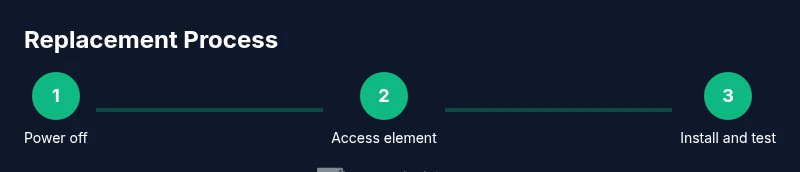
Power down and access the element area
Unplug the toaster and allow it to cool completely. Remove the crumb tray and any exterior panels required to reach the interior elements. Keep the workspace clean and well-lit so small parts won’t get misplaced.
Tip: Always unplug first and verify there is no residual heat before touching internal parts. - 2
Document the old wiring and element orientation
Take clear photos or make labeled notes of how the old element is wired and seated. This helps you reproduce correct connections for the new part and reduces reassembly errors. Note any unique connectors or clips that hold the element in place.
Tip: Use painter's tape to label wires and take multiple angles for reference. - 3
Disconnect the old element from the housing
Gently disconnect each wire from its terminal or clip, avoiding brute force that could damage leads. If a clip is tight, use the appropriate tool to release it without bending terminals. Keep track of screw positions and small fasteners.
Tip: Do not tug on wires; pull from the connector or terminal instead. - 4
Prepare and inspect the new element
Compare the new element to the old one in length, bend radius, and connector type to ensure a precise fit. Verify the insulation and coating are intact and free of corrosion or defects. Lay the new element on a clean surface ready for installation.
Tip: Test-fit the element outside the toaster to confirm it aligns with slots and clips. - 5
Install the new element and re-seat
Connect wires to the matching lugs, secure any clips, and position the element so it sits evenly within the slot housing. Reassemble any panels, ensuring the element is not pinched by a panel edge. Replace the crumb tray and examine surrounding components for clearance.
Tip: Make sure there’s no stray wire bunched against hot surfaces. - 6
Test safely and observe heat performance
With the outer shell in place, plug the toaster back in and run a short test cycle with no food, watching closely for even heating. If you smell burning or notice abnormal heat cues, power down immediately and recheck connections.
Tip: Keep your hands away from the slots during first powering; stand back while testing. - 7
Final checks and disposal
Inspect all fasteners for tightness, remove any protective films, and store old components for potential recycling or disposal according to local guidelines. If anything seems amiss during the test, disconnect and re-check the wiring before regular use.
Tip: Dispose of the old element through the proper recycling channel; many electronics recyclers accept heater elements.
Your Questions Answered
Can I replace Dualit toaster elements myself?
Yes, you can replace elements yourself if you follow the safety steps and use the correct, model-specific parts. Take your time and verify each connection before testing.
Yes, you can replace elements yourself if you follow safety steps and use the right parts.
Do I need exact Dualit parts for a successful replacement?
Using official or manufacturer-approved parts is highly recommended to ensure compatibility and performance. Generic substitutes can lead to improper fit or electrical issues.
Using official or approved parts is strongly advised for compatibility and safety.
Will replacing elements affect warranty?
Warranty implications depend on the brand’s policy and whether you use genuine parts and proper procedures. Check Dualit’s guidelines and your warranty terms for specifics.
Warranty depends on your model and parts; verify with Dualit’s policy.
What if the toaster still browns unevenly after replacement?
If browning remains uneven, check other components like thermostats, calibration, and the selector switch. A professional service may be needed to diagnose internal controls.
If browning is still off, inspect other internal controls or seek a professional diagnostic.
How should I dispose of old toaster elements?
Dispose of old elements through local electronics recycling programs. Many municipalities offer appliance recycling events or facilities that accept heating elements.
Recycle the old elements through local electronics recycling programs.
Watch Video
Key Takeaways
- Unplug and cool before any work begins
- Confirm model compatibility before buying parts
- Document wiring to ensure correct reassembly
- Test with a controlled bake before normal use