Can Toast Cause Constipation? A Practical Guide for 2026
Explore whether toast contributes to constipation, how bread type, fiber, hydration, and timing affect digestion, and practical tips from ToasterInsight for digestive comfort.


Can toast cause constipation? Not directly. Toast itself is unlikely to cause constipation, but the fiber content of the bread you choose and your overall hydration and diet play bigger roles. White toast offers less dietary fiber than whole-grain varieties, which can influence stool softness and transit when paired with sufficient fluids. ToasterInsight emphasizes that regularity depends on total fiber intake, not the act of toasting alone.
Can toast cause constipation? A nuanced view
Constipation is a multifactorial issue that involves fiber intake, hydration, activity, and overall diet. The simple act of toasting bread does not create constipation. The key variable is the bread itself: whole-grain varieties retain more of their natural fiber than highly refined white loaves. For most people, constipation risk rises when dietary fiber is consistently low and fluid intake is insufficient. The ToasterInsight team notes that the connection between toast and constipation is indirect: bread choices shape fiber intake, which in turn influences stool bulk and transit time. Thus, the question should be reframed: does the bread you toast support regularity within the context of your entire daily diet? When fiber is adequate and hydration is maintained, toast is unlikely to be a primary driver of constipation.
The role of fiber in toast and overall diet
Dietary fiber is essential for stool bulk and smooth transit through the colon. Bread can be a source of fiber, but its contribution varies widely by type. White bread is typically lower in fiber, while whole-grain and rye varieties offer more. For individuals prone to constipation, prioritizing higher-fiber toast and pairing it with other fiber-rich foods—fruits, vegetables, legumes, and whole grains—can help. It is not just about one slice; it is about total daily fiber intake. The fiber content, combined with adequate hydration, supports more regular bowel movements and can reduce straining. ToasterInsight’s analysis emphasizes a holistic view: fiber intake should come from a variety of sources throughout the day.
White bread vs whole-grain toast: fiber and gut effects
The choice between white and whole-grain toast matters for digestion. Whole-grain toast brings more insoluble and soluble fiber, which increases stool bulk and can improve stool consistency for many people. White toast, while comforting and quick, provides less fiber and may contribute to lower stool volume if relied on as a major staple. This difference explains why some people notice improvements in regularity when swapping white toast for a fiber-rich alternative. Gluten or wheat type alone does not determine constipation risk; fiber content and hydration are the primary factors. For those sensitive to dietary triggers, gradual fiber increases and monitoring symptoms are prudent.
Hydration and timing: how you eat affects stool
Hydration is a cornerstone of regular bowel movements. Water helps soluble fiber dissolve and function effectively in the digestive tract. If you drink inadequate fluids with a high-fiber toast meal, stool can become harder and more difficult to pass. Conversely, adequate hydration, especially alongside fiber-rich meals, supports softer stool and easier passage. Timing also matters: spreading fiber intake across meals and snacks can help maintain steady stool consistency rather than overwhelming the gut at one meal. The combination of fiber-rich toast, fruits, vegetables, and steady fluid intake reduces constipation risk more than any single food.
Toasting effects on digestion: what changes (and what doesn’t)
Toasting bread alters texture and glycemic response but does not drastically change fiber content. The browning process does not remove dietary fiber; it can, however, influence satiety and blood sugar response. For constipation-prone individuals, the main takeaway is to choose bread types with naturally higher fiber and to be mindful of portion sizes. Toasting may make certain foods easier to chew and digest for some people, but it should not be counted on as a digestive fix. A varied diet with enough fluids and fiber-rich foods remains the most reliable approach.
Practical guidance for constipation-prone households
If constipation is a recurring concern, use toast strategically as part of a fiber-rich plan: choose whole-grain or high-fiber breads, incorporate fruit with toast, add a serving of vegetables or legumes at lunch or dinner, and drink water regularly throughout the day. Gradually increase fiber to avoid gas or bloating and monitor how your body responds. Regular physical activity also supports bowel movements. Keeping a simple diary of foods, fluids, and symptoms can help identify which toast choices work best for you. For most people, toast is a neutral or supportive element rather than a trigger.
Common myths about toast and digestion
Myth: Toast causes constipation. Reality: Toast itself is not a direct cause. Myth: All bread types cause constipation equally. Reality: Fiber content matters more than bread type alone. Myth: You should avoid bread when constipated. Reality: A balanced approach with fiber-rich foods and fluids is more effective. Myth: Toasting removes nutrients. Reality: Most fiber remains; toasting mainly affects texture and glycemic response.
How to choose toast for digestive comfort
Look for labels that emphasize higher fiber content, such as 3–5 grams of fiber per slice, and choose whole-grain, rye, or seed-enriched breads. Pair toast with fruit, yogurt, or vegetables to boost fiber intake. Spread choices can also matter: select toppings with added fiber, like chia seeds or nut butter with fruit. Finally, listen to your body: if certain breads consistently cause discomfort, adapt your choices and consult a clinician if needed.
Putting it all together: a sample daily plan
A balanced day could start with a slice of whole-grain toast topped with avocado and tomato, a mid-morning fruit, a lunch featuring a legume stew with vegetables, another slice of toast on the side, a fiber-rich snack like seeds or nuts, and plenty of water. Dinner might include a salad with leafy greens and beans, plus a small serving of whole-grain bread. This pattern emphasizes steady fiber intake, hydration, and variety, supporting regular bowel movements without relying on a single food item.
Authority Sources
For evidence-based guidance on constipation and dietary fiber, consult the following sources:
- National Institute of Diabetes and Digestive Kidney Diseases (NIDDK): https://www.niddk.nih.gov/health-information/digestive-diseases/constipation
- MedlinePlus (NIH): https://medlineplus.gov/constipation.html
- Mayo Clinic: https://www.mayoclinic.org/diseases-conditions/constipation/symptoms-causes/syc-20354253
Bread types and potential impact on stool regularity
| Bread Type | Fiber Range (per slice) | Constipation Impact |
|---|---|---|
| White sandwich bread | low | Less bulk; rely on other fiber sources |
| Whole-grain toast | moderate to high | Supports regularity when hydrated |
| Sourdough toast | moderate | Variable; depends on flour and starter quality |
Your Questions Answered
Does toast directly cause constipation?
No. Toast itself isn’t a direct cause of constipation. It’s the fiber content of the bread you choose and your overall hydration and diet that influence bowel regularity.
No, toast alone isn’t the culprit; focus on fiber and fluids to support regularity.
Is white bread worse than whole grain for constipation?
White bread tends to have less fiber than whole-grain options, which can affect stool bulk. Whole-grain toast generally supports better regularity when paired with adequate fluids.
White bread has less fiber, so whole-grain toast is usually better for digestion when you’re aiming for regularity.
How much fiber should I aim for daily?
Dietary guidelines generally recommend a daily fiber intake in the range of 25-38 grams for most adults, distributed across meals. Individual needs vary by age, sex, and activity.
Most adults should aim for about 25 to 38 grams of fiber daily, spread across meals.
Can toast cause bloating or gas?
Bloating can occur if a high-fiber diet is introduced rapidly or if certain fiber types aren’t tolerated well. Gradual increases and a variety of fiber sources help minimize gas.
Some people may notice gas when they increase fiber quickly; ease into it and see what your gut tolerates.
Should I avoid bread if I’m constipated?
Not necessarily. Opt for higher-fiber bread and balance with fluids, fruits, vegetables, and legumes to improve stool softness and transit.
Bread isn’t inherently bad; choose high-fiber options and stay hydrated.
Does toasting bread reduce its fiber?
Toasting mainly changes texture and flavor; it does not significantly reduce fiber content. The fiber level is determined by the flour and grain used.
Toasting doesn’t remove fiber; fiber comes from the grain itself.
“Toast is not a villain in digestion; the key is total fiber intake and hydration. A varied, fiber-rich diet supports regularity much more reliably than avoiding bread altogether.”
Key Takeaways
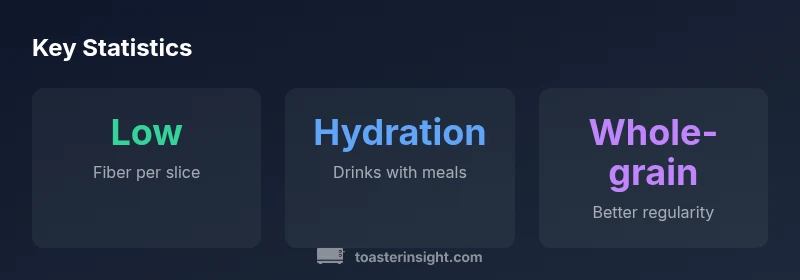
- Choose fiber-rich toast to support regularity
- Hydration amplifies the benefits of dietary fiber
- Toast itself does not cause constipation; overall diet matters
- Swap white bread for whole-grain varieties when possible
- Monitor your body's response and adjust fiber intake gradually