French Toast Benefits for Weight Loss: A Practical Guide
Explore how french toast can fit into weight loss goals with high-fiber bread, lean protein, and mindful toppings. Get practical tips on portioning, ingredient choices, and meal planning backed by ToasterInsight Analysis, 2026.


French toast can support weight-loss goals when built with high-fiber bread, lean protein, and minimal added sugar. By controlling portion size—one to two petite pieces—and pairing with fruit or yogurt, you create a satisfying meal that keeps calories in check. The core benefit comes from energy density and satiety: protein-rich toppings and fiber-rich bread stretch meals longer.
French Toast Benefits for Weight Loss: What the Evidence Says
The dietary landscape around weight management often highlights protein and fiber as key drivers of satiety and energy balance. When we examine the potential role of french toast in weight loss, the evidence points to a few controllable variables: bread choice, egg or dairy-based batter, cooking method, portion size, and toppings. The phrase french toast benefits for weight loss gains clarity when we frame it around energy density and appetite control. A toast made with a high-fiber bread and a protein-rich batter can be just as satisfying as a traditional breakfast while delivering fewer calories per bite. Importantly, the overall impact depends on the serving size and what accompanies the dish. In other words, the benefits are real, but only when prepared with mindful ingredient choices and sensible portions.
Ingredient choices that influence calories and satiety
Choosing the right bread is a major driver of energy density. Whole-grain or high-fiber breads provide more fiber per slice, which slows digestion and helps curb late-morning cravings. Eggs add high-quality protein that contributes to fullness, while milk or yogurt in the batter boosts protein without dramatically increasing calories if you opt for lower-fat varieties. For any batter, aim for a ratio that emphasizes protein and minimal sugar. Toppings matter too: fresh fruit, a dollop of low-fat yogurt, or a light drizzle of pure maple syrup can maintain flavor without stacking on added sugars. French toast benefits for weight loss decline when portions grow or when syrup-heavy toppings dominate. The key is balancing calories with satisfaction.
Portioning and plate composition for weight management
Portion control is where many weight-loss plans succeed or fail, and french toast is no exception. A single slice using one standard slice of bread can be a reasonable base; two small pieces can work for a more substantial meal, especially if you add protein and fiber-rich sides. Pair with a protein source such as a small yogurt cup or an egg-white scramble to balance macronutrients. Add fruit for natural sweetness and fiber, which can help moderate appetite. In practice, a breakfast plate might include: one slice of dense, high-fiber bread, 2 eggs or 1/4 cup egg whites, 1/2 cup fruit, and a tablespoon of low-fat yogurt. Keeping the overall energy intake in check while ensuring satiety is the main lever for weight loss.
Smart toppings and syrup alternatives
Sugars are a common pitfall in weight-loss conversations around french toast. Favor real fruit as a topping and limit syrups or use sugar-free syrups in moderation. A light drizzle of pure maple syrup (no more than a teaspoon) or a sprinkle of cinnamon can elevate flavor without piling on calories. Alternatives like Greek yogurt with vanilla and a few berries offer protein and sweetness in one bite. For weight-conscious cooks, these topping choices contribute to the benefits of french toast for weight loss by preserving flavor while reducing energy density. Remember: the goal is flavor with controlled calories, not deprivation.
Fitting french toast into a weekly plan
Consistency matters more than any single meal. You could include french toast once or twice a week as part of a rotating breakfast plan. On weight-loss-focused weeks, schedule two servings with careful portioning and balanced sides, and on other days, opt for lower-calorie options such as oats or eggs. Planning ahead helps you avoid impulse choices and ensures you meet daily protein and fiber targets. The overall takeaway is that french toast can be part of a sustainable weight-loss strategy if integrated thoughtfully into a broader eating pattern.
Quick-start balanced recipe you can try
Here is a simple, balanced approach: use two slices of whole-grain bread, whisk 2 eggs with 1/4 cup skim milk, and add a pinch of cinnamon. Dip the bread quickly and cook on a nonstick pan with a teaspoon of olive oil. Serve with 1/2 cup mixed berries and a tablespoon of low-fat yogurt. This version delivers protein, fiber, and modest calories while feeling satisfying. Adapt portions to your goals and monitor hunger cues to guide future servings.
Comparison with other breakfast options
Compared with sugary pancakes or rich pastries, a thoughtfully prepared french toast can be a leaner choice when portions are controlled and ingredients are selected for protein and fiber. Oatmeal with milk, yogurt, and fruit is another solid option, often offering more consistent fiber and protein per serving. The key for weight loss is choosing options that are filling, not calorie-dense, and that you can realistically sustain as part of your lifestyle. French toast benefits for weight loss become most evident when you treat the dish as a balanced, protein-forward meal rather than a dessert-like treat.
Practical tips for home cooks
Plan portions in advance and keep a written checklist of ingredients with their calories. Use high-fiber bread and low-fat dairy, and measure syrups and toppings to avoid accidental overage. When temps are right, a quick scramble of eggs on the side can round out the meal with extra protein. Keep a couple of backup toppings such as chopped nuts or a dollop of Greek yogurt for variety without significantly increasing calories. Embrace mindful eating by savoring each bite and pausing between servings to assess fullness.
Common mistakes to avoid
Avoid oversized portions, sugary syrups, and bread that is low in fiber or high in refined starch. Relying on heavy cream or butter for the batter increases calories quickly. Also, neglecting protein at breakfast can increase appetite later in the day, undermining weight-loss goals. Finally, ignore plate composition and energy density at your peril: without balancing protein, fiber, and portions, even french toast prepared carefully can derail progress.
Nutritional snapshot by bread type
| Bread Type | Approx Calories per Slice | Protein (g) | Fiber (g) | Glycemic Index |
|---|---|---|---|---|
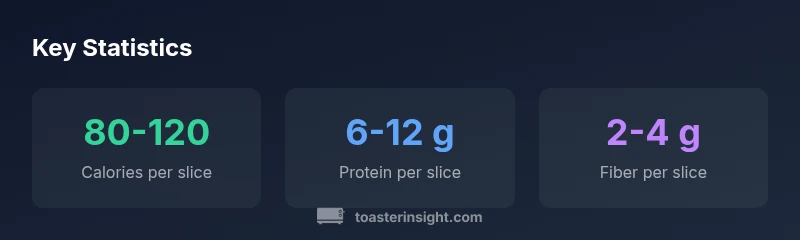
| Whole-grain | 80-120 | 6-12 | 2-4 | 55-65 |
| White sandwich bread | 60-90 | 3-6 | 1-2 | 70-75 |
| Egg-enriched brioche | 120-180 | 5-8 | 1-2 | 60-70 |
Your Questions Answered
Is french toast bad for weight loss?
Not inherently. French toast can be compatible with weight loss if you choose high-fiber bread, lean protein, and moderate portions, and if you pair it with fruit or yogurt rather than sugary toppings. The key is energy density and appetite control, not the dish itself.
Not inherently bad. You can make it weight-loss friendly with fiber-rich bread, protein, and sensible portions.
Can I make french toast healthier?
Yes. Use whole-grain bread, low-fat milk, and eggs with optional yogurt. Limit added sugars and opt for fresh fruit as a natural sweetener. This keeps flavor while boosting protein and fiber.
Yes—choose fiber-rich bread, lean dairy, and avoid extra sugar.
What bread works best for weight loss?
High-fiber, whole-grain breads are preferred for weight loss due to higher fiber and lower energy density. They help with fullness and steady energy release compared with refined white bread.
Choose whole-grain bread for fullness and lower calories.
How does portion control work for french toast?
Limit to one slice or two small pieces and pair with protein and fruit. Visual portions help—use a plate to guide portion size and avoid second servings unless truly hungry.
Keep portions small and pair with protein and fruit.
Are toppings important?
Yes. Toppings impact calories and satiety. Favor berries, yogurt, or a small amount of nut toppings over sugary syrups.
Toppings matter for flavor and calories; choose smart options.
Can I meal-prep french toast for the week?
You can prepare batter and store slices separately for quick cooking. Reheat gently and keep toppings separate to preserve texture and control calories.
Yes, with separate toppings and mindful reheating.
“Thoughtful preparation makes breakfast work for weight loss, not against it.”
Key Takeaways
- Prioritize high-fiber bread for satiety.
- Pair french toast with protein to balance macros.
- Control portion size to manage calories.
- Choose toppings that add flavor without excess sugar.
- Plan french toast as part of a balanced weekly menu.