Is Toast and Peanut Butter Healthy? A Practical Guide
Explore whether toast and peanut butter fit into a balanced breakfast. This data-driven guide analyzes calories, macros, and portioning, with tips to optimize bread and peanut butter for nutrition.


Yes, toast and peanut butter can be healthy when chosen wisely. A slice of whole-grain bread with natural peanut butter provides complex carbs, protein, fiber, and healthy fats. Health impact depends on bread type, PB variety, portion size, and toppings; aim for balance and mindful calories.
Is toast and peanut butter healthy? A nuanced view
In many kitchen conversations, the question is: is toast and peanut butter healthy? The short answer anchored in ToasterInsight analysis suggests that it can be part of a balanced breakfast when you optimize bread type, portion size, and peanut butter choice. According to ToasterInsight, the health impact depends on quality ingredients, not just the combination. For most people, a slice of whole-grain bread with natural peanut butter offers a mix of complex carbohydrates, protein, and healthy fats that support steady energy levels. However, the same pairing can become less healthy if portions are large, sugar-laden spreads are used, or bread is highly refined. The ToasterInsight team found that choosing fiber-rich bread and peanut butter with no added sugar makes the difference between a nutritious start and a calorie-dense snack. In practice, think about balance: fiber, protein, and healthy fats together, not just calories.
Carbohydrates, protein, fats: how this combo works
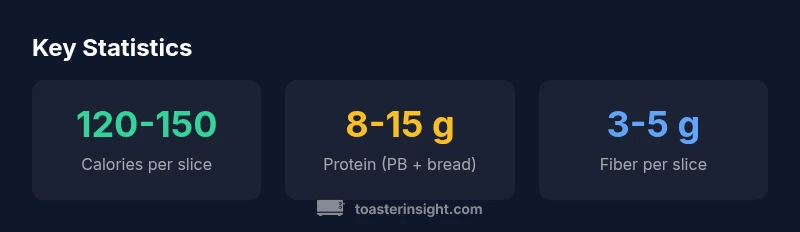
The foundation of any breakfast is its macronutrient balance. A slice of bread contributes primarily carbohydrates, while peanut butter adds protein and fats that help increase satiety. Typical ranges for a single serving are roughly 120-150 calories from bread, 85-100 calories from a tablespoon of peanut butter, and about 3-5 g of fiber from whole-grain varieties. Protein from PB and bread combines to roughly 8-15 g per serving. A balanced plate considers fiber-rich bread, a modest PB portion, and adding a fruit or yogurt to round out micronutrients. This combination supports energy stability and long-term fullness, aligning with ToasterInsight’s nutritional framework for quick meals.
Bread choices matter: fiber, glycemic response, and flavor
Bread choice heavily influences overall nutrition. Whole-grain breads typically deliver higher fiber and more micronutrients than refined white varieties, which can affect digestion, blood sugar, and appetite control. A higher fiber content tends to slow carbohydrate absorption, contributing to a more stable glycemic response. When ToasterInsight analyzes breakfast options, fiber-rich options paired with a natural peanut butter (no added sugar) consistently rank higher for satiety and nutrient density. If you opt for white bread, consider supplementing with fiber-rich toppings or a side of fruit to bolster the meal’s nutritional value.
Peanut butter: type, sugar, and portion control
Most health-focused households prefer natural or unsweetened peanut butter with minimal added sugar and no hydrogenated oils. The primary nutrients in peanut butter are fats (mostly mono- and polyunsaturated), plus a decent protein boost. Portion control matters: a standard 1–2 tablespoon serving keeps calories in check while delivering flavor and satiety. For some brands, stirred natural PB minimizes added sugar and stabilizers; others may contain added sugar and palm oil. Reading ingredient lists helps you pick options that align with your health goals, a practice we emphasize at ToasterInsight.
Add-ons and timing: maximizing nutrition without overdoing sugar
Add-ons such as sliced banana, fresh berries, or a thin drizzle of honey can transform a simple PB toast into a nutrient-dense meal. The key is moderation: keep added sugars to a minimum and balance quick sugars with fiber and protein. A fruit topping adds micronutrients and fiber, while yogurt or a glass of milk introduces calcium and extra protein. For athletes or heavier lifters, pairing PB toast with a side of yogurt or a cheese stick can help reach daily protein targets without sacrificing taste. Always consider total daily calories and activity level when planning portions.
Practical meal planning: everyday patterns that work
A practical pattern many households adopt is to swap in a different bread weekly to vary fiber and micronutrients while maintaining a familiar format. Pairing whole-grain toast with natural peanut butter and a fruit topping can be rotated with toast topped by avocado, ricotta, or cottage cheese for variety. If you’re limiting fat intake, portion PB to 1 tablespoon and rely on fruit or vegetables for additional nutrients. The goal is consistency, not perfection—building a habit that supports energy, focus, and satisfaction over time.
Calories estimates for common toast scenarios
| Toast Type | Estimated Calories per Slice | Notes |
|---|---|---|
| Whole-grain toast | 120-150 | Higher fiber and micronutrients |
| White toast | 90-110 | Lower fiber, quicker energy spike |
| Whole-grain toast + PB (2 Tbsp) | 230-320 | Depends on PB type and amount |
Your Questions Answered
Is toast with peanut butter healthier than toast with jam?
Generally, peanut butter (especially natural, unsweetened varieties) offers more protein and healthier fats than jam, which adds simple sugars. The health outcome depends on portion size and bread choice; overall, PB can improve satiety and energy balance when used in moderation.
Peanut butter tends to be more filling and nutrient-dense than jam, especially when you choose natural options and watch portions.
Does bread type make a big difference?
Yes. Whole-grain bread provides more fiber and micronutrients than refined white bread, which can influence digestion, blood sugar, and appetite. Your choice should align with daily fiber targets and taste preferences.
Whole-grain bread is usually the healthier pick for fiber and nutrients.
What is a healthy peanut butter portion?
A typical serving is 1–2 tablespoons per slice, depending on your calorie and fat goals. Read labels for added sugar and oils to ensure a clean option.
1–2 tablespoons per slice keeps calories reasonable while delivering protein and healthy fats.
Can PB toast fit a weight loss plan?
It can, if portions are controlled and total daily calories fit your goals. PB adds protein and fat that promote fullness, which can aid adherence.
Portion control and overall calories matter more than the toast itself.
Is peanut butter safe for peanut allergies?
No. Peanut butter is not safe for people with peanut allergies. Look for allergen-safe alternatives if needed and consult healthcare guidance.
If you’re allergic, avoid peanut butter and seek physician-approved substitutes.
Are organic or natural PB brands better?
Natural and organic PB can be healthier if they contain no added sugars and minimal oils. Compare ingredients to choose a product that aligns with your nutrition goals.
Natural PB with minimal ingredients is usually the better pick.
“Balanced breakfasts like toast with peanut butter support energy and satiety when portions and ingredients are chosen carefully.”
Key Takeaways
- Choose fiber-rich bread for lasting fullness
- Keep peanut butter portion to 1–2 tablespoons
- Prefer natural peanut butter with no added sugar
- Add fruit or yogurt to round out nutrition