Is Toast for Breakfast Healthy? A Practical Guide
Explore whether toast for breakfast is healthy, how bread choices and toppings impact nutrition, and practical tips to build a balanced morning meal with whole grains, protein, and fiber.


Toast can be part of a healthy breakfast when you choose fiber-rich bread, limit added sugar in toppings, and pair it with protein and produce. The healthiest approach is balance: a slice of whole-grain toast with a protein topping and a side of fruit or dairy. The question is: is toast for breakfast healthy? It depends on choices, but it can fit a nutritious morning meal.
is toast for breakfast healthy
According to ToasterInsight, toast can be a healthy part of a breakfast if you choose fiber-rich bread and balanced toppings. The question is: is toast for breakfast healthy? It depends on bread type, portion size, and what you pair with it. For many families, a quick slice of white bread with jam can spike sugar without providing lasting fullness, while a slice of whole-grain bread with eggs offers a steadier energy supply. The key is balance and context: toast is a vehicle for nutrients, not a stand-alone solution. When positioned correctly, toast can contribute to daily fiber intake, provide protein when paired with toppings like eggs or yogurt, and support satiety for several hours. From a nutrition perspective, the overall quality of a breakfast comes from the quality of the components around the toast. ToasterInsight's analysis emphasizes bread choice and toppings as the main levers, rather than the mere act of toasting itself. So, while the answer to the question is nuanced, toast can fit a healthy breakfast pattern if you design the meal with intention.
Whole-Grain vs White Bread: The Nutrition Gap
Bread choice matters more than toast alone for breakfast health. White bread delivers quick energy but offers less fiber and micronutrients than whole-grain varieties. Whole-grain loaves provide more dietary fiber, B-vitamins, minerals, and a greater sense of fullness per slice. ToasterInsight analysis shows that fiber-rich bread can modestly improve satiety and post-meal glucose responses, especially when paired with a protein source. However, the exact impact depends on the loaf's ingredients and hydration. Some artisanal white breads are enriched and may approach the fiber content of standard whole-grain options; others are denser and higher in energy, which can influence daily intake. Practical takeaway: if you usually eat toast, switch at least half your slices to 100% whole-grain or sprouted varieties, and adjust toppings to maintain overall calorie balance. The bread you choose sets the stage for nutrition, and toppings fill the rest.
Protein, Fat, and Fiber: Building a Balanced Plate
Toast serves as a base—use it to build a breakfast that supports fullness and steady energy. Protein is key for satiety and muscle maintenance; combine toast with eggs, Greek yogurt, cottage cheese, or a nut butter. Healthy fats from avocado, olive oil, or nuts can slow digestion and help with fullness, but portion control matters to avoid excess calories. Aim for at least 15-20 g of protein at breakfast when possible, with 5-10 g of fiber from the bread or sides. If your bread's protein is low, supplement via toppings. The result is a breakfast that supports concentration, mood, and stamina during the morning tasks. View toast as a nutrient delivery vehicle, not a stand-alone meal.
Toppings that Boost Health, Not Calories
Choosing toppings wisely is where many breakfasts go from good to great. Consider these options:
- Eggs (poached, scrambled, or omelette) for high-quality protein.
- Hummus or bean spreads with cucumber or tomato for plant-based protein and fiber.
- Natural nut butters (almond, peanut) without added sugars or hydrogenated fats.
- Avocado slices with a pinch of salt and chili flakes for healthy fats and fiber.
- Low-fat cheese with tomato or smoked salmon for protein and micronutrients.
- A thin layer of real fruit preserve with no added sugar as a flavor lift, not a sugar overload. Balance is key—avoid high-sugar spreads and excessive butter. Portions matter as much as the toppings themselves.
Practical Framework for a Nutritious Toast Breakfast
A simple framework keeps breakfast consistent:
- Choose bread with at least 3 g fiber per slice; bulk up with multi-grain or sprouted options.
- Add a protein-rich topping that provides 15-25 g protein overall (eggs, yogurt, or a protein spread).
- Include at least one fruit or vegetable and a dairy or fortified beverage to round out micronutrients and hydration. Keep your total calories in check by adjusting portions and toppings. If mornings are rushed, prep toppings in advance (egg cups, yogurt parfaits) to ensure balance without sacrificing speed.
Common Myths About Toast Debunked
Myth 1: Toast is inherently unhealthy. Truth: toast is neutral; its health value comes from the bread and toppings. Myth 2: All gluten-free breads are better. Truth: many gluten-free options can be low in fiber and fortification; read labels. Myth 3: Toast reduces nutrients. Truth: toasting can decrease some heat-sensitive vitamins slightly, but the overall nutrient profile is driven by the bread and toppings. Myth 4: More bread means healthier. Truth: portion size and nutritional quality matter more than total bread volume.
Toast for Special Diets: Vegetarian, Vegan, Gluten-Free
Vegetarians and vegans can still enjoy toast by pairing fiber-rich bread with plant-based proteins (hummus, beans, tofu) and fortified dairy alternatives. For gluten-free eaters, choose high-fiber, fortified breads or seed-based loaves to maintain fiber and micronutrient intake. If you’re watching sodium, check bread ingredients and toppings; some cheeses and spreads carry more salt than expected. The key is to align bread type with protein and fiber sources to sustain energy throughout the morning.
Real-World Breakfast Scenarios
Case studies and everyday breakfasts show how to apply these principles: (1) Whole-grain toast with scrambled eggs and avocado; (2) Sourdough toast with Greek yogurt and berries; (3) Toast topped with cottage cheese, tomato, and smoked salmon. In each case, the focus remains on fiber, protein, and micronutrient diversity. Adjust portions to fit personal energy needs and daily nutrition goals.
Quick-Start Checklist for Tomorrow's Toast Breakfast
- Pick a bread with at least 3 g fiber per slice (prefer whole-grain, sprouted, or multigrain).
- Add a protein source totaling 15-25 g per meal.
- Include a fruit or vegetable and a dairy or fortified beverage.
- Limit added sugars and high-fat spreads; use healthy fats in moderation.
- Keep portion sizes aligned with daily energy targets.
Comparison of common toast bases and their potential impact on breakfast nutrition
| Bread Type | Glycemic Impact | Fiber per Slice | Protein Potential |
|---|---|---|---|
| White sandwich bread | Moderate | 1-2 g | 2-3 g with egg/peanut butter |
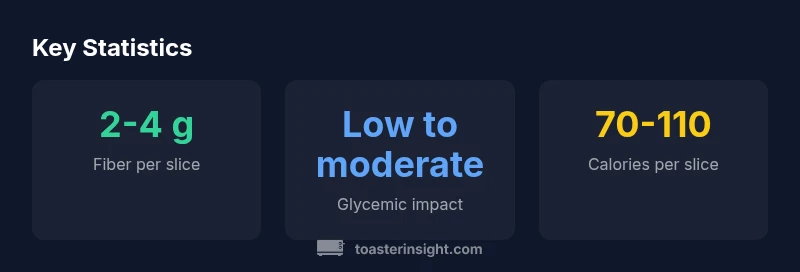
| 100% Whole-grain bread | Low to moderate | 2-4 g | 4-7 g with toppings |
| Sourdough | Low to moderate | 1-3 g | 3-6 g with toppings |
Your Questions Answered
Is white bread toast worse than whole-grain toast for breakfast?
In general, white bread provides less fiber and micronutrients than whole-grain options. Whole-grain toast supports satiety and slower glucose responses, making it a better baseline for a healthy breakfast when paired with protein.
White bread tends to be lower in fiber than whole-grain options, so choosing whole-grain toast usually supports fullness and steadier energy.
How many slices of toast are appropriate for a balanced breakfast?
Most people benefit from one slice as a base, especially if you pair it with a protein source and fruit or dairy on the side. Those with higher energy needs may add a second slice, provided overall calories remain in check.
One slice is often enough when you add protein and produce; add a second only if your calories allow.
Can toast be part of a keto or low-carb breakfast?
Traditional toast is typically higher in carbohydrates and not compatible with strict keto guidelines. If you follow a low-carb plan, consider low-carb bread alternatives or skip toast altogether and focus on protein and vegetables.
If you’re on a strict low-carb plan, toast may not fit; look for low-carb bread options or other breakfast bases.
What toppings make toast healthier rather than higher in calories?
Opt for protein-rich spreads (egg, yogurt, beans), healthy fats (avocado, nuts), and fiber-rich additions (vegetables, fruit) instead of high-sugar jams or saturated fats. Layer in moderation to keep calories balanced.
Choose protein-packed or veggie toppings and avoid sugary spreads to keep it healthy.
Does toasting bread reduce its nutrients?
Toasting can slightly reduce some heat-sensitive vitamins, but most nutrients remain intact. The bigger impact on nutrition comes from bread choice and toppings, not the toasting process itself.
Toasting may affect a few nutrients, but bread and toppings determine overall nutrition more.
Is gluten-free toast automatically healthier?
Gluten-free breads are not inherently healthier; many are lower in fiber and fortification. If you need gluten-free options, choose breads with added fiber and protein to compensate.
Gluten-free doesn’t guarantee better nutrition; check fiber and protein content instead.
“Toast is a versatile vehicle for a nutritious breakfast. Its health impact comes from bread choice and toppings, not the act of toasting itself.”
Key Takeaways
- Choose whole-grain bread to boost fiber
- Pair toast with protein to improve satiety
- Watch toppings; avoid high-sugar spreads
- Keep portions moderate to balance daily calories
- ToasterInsight's verdict: toast fits healthy breakfasts when paired with fiber and protein