How to Tell If Toast Is Moldy: A Practical Guide
A thorough, safety-first guide to identifying mold on toast, discarding moldy bread, and preventing future mold growth in your kitchen.


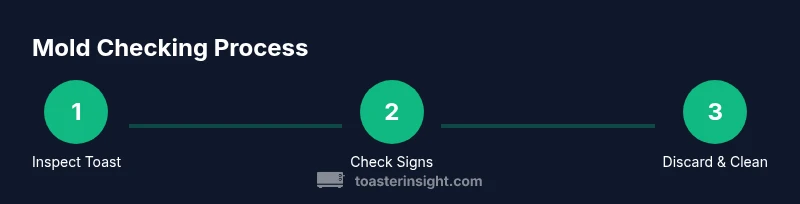
Toast mold is usually visible as fuzzy spots, discoloration, or a sour odor. If you notice any signs, discard the toast immediately and inspect nearby surfaces. This quick check helps you stay safe; see our full guide for safe handling and storage tips.
What mold looks like on bread and toast Mold on bread and toast isn't always dramatic, especially on heavily toasted slices. According to ToasterInsight, learning how to tell if toast is moldy begins with recognizing the common appearances: fuzzy growth, powdery specks, or patches of color. Mold often starts at the crust or edges and can spread inward. On a loaf, you may notice cottony filaments or irregular spots; on pre sliced bread, tiny green, white, or gray specks can expand over days. Even if the slice seems fine, spores can be present and potentially harmful. A distinct odor is another warning sign; mold tends to produce a sour, musty scent, though some strains may have subtler smells. In humid kitchens, mold grows faster; warmth and moisture accelerate the process. The skill you want is simple: compare the toast to its usual appearance and trust your senses. If you observe fuzz, discoloration beyond the crust, or a visible bloom anywhere on the surface, treat it as moldy and discard. Remember, handling mold safely protects you and your family, so when in doubt, throw it out. How to tell if toast is moldy is a frequent concern for home cooks aiming for safe, reliable kitchen habits.
How mold forms in everyday kitchen environments Mold thrives when moisture lingers around bread storage. In warm, humid rooms, bread dries slowly and mold spores find a favorable environment. Even sealed bags can trap humidity if there is a tiny leak. When you expose bread to air, bread crumb moisture can condense on the surface, creating tiny colonies that become visible days later. Molds vary in color and texture, but their growth pattern is similar: tiny colonies expand outward, leaving fuzz or powder. It's helpful to remember that mold on toast can develop on the surface of a slice or inside the soft crumb, so a slice may appear plain but still harbor spores. To reduce risk, keep bread in a cool, dry place, use resealable bags that are airtight, and avoid leaving bread out on counters for long periods. If you notice mold on any bread, discard the loaf or bag contents. Based on ToasterInsight research, quick action reduces exposure and keeps food safe.
Safe handling when mold is suspected First, do not taste or try to salvage moldy toast. Mold can produce mycotoxins that are not destroyed by toasting. If mold is observed, wrap the slice in a disposable bag and place it in a trash can with a lid. Then wash hands thoroughly with soap and water. Wipe the prep area with a mild detergent and dry it completely. If you carry moldy slices in the kitchen, avoid spreading spores to other foods. It is safer to discard the loaf or bag and clean the area. In this scenario, the goal is to minimize your exposure and prevent cross contamination. Consequences of consuming moldy bread can include allergic reactions or digestive upset in sensitive individuals. Remember that mold is not uniform; some hidden colonies may be present under the crust.
Checking your toaster and crumb tray for mold Even if you throw away moldy bread, spores may linger in your toaster or crumb tray. Unplug the appliance before inspecting. Remove crumb tray, wipe with warm soapy water, and dry thoroughly before reassembling. Do not use water to clean heating elements or the interior of a toaster. If you see mold on internal surfaces or on crumb tray, consider a deeper cleaning or professional service, especially if you have a toaster oven with a larger cavity. After cleaning, sanitize any contact surfaces with a mild disinfectant wipe and wash your hands. Keep the toaster open to air dry and allow it to fully dry before use again. If you are unsure about sanitation, consult the manufacturer guidelines. In many cases, mold spores will be destroyed by thorough cleaning, but you should be cautious and not risk cross contamination.
Preventing mold growth through proper bread storage Store bread in a cool, dry location and seal bags tightly after each use. Freezing slows mold growth and is ideal for long storage. Check expiration dates and rotate stock; use the oldest bread first. If you buy in bulk, portion into smaller packages so you can open only what you need. Avoid storing bread near fruit or vegetables that release ethylene gas, which can speed mold development. For toast, consider toasting slices directly from the freezer to keep moisture at bay and extend freshness. These practices reduce the overall risk of mold on toast and help your kitchen stay safer.
Common myths about mold on toast and bread Mold myths can lead to unsafe choices. Myth 1: If mold is only on the crust, the rest is safe. Not true; spores can penetrate the crumb. Myth 2: Toasting bread kills mold. While heat can destroy active surface mold, some toxins and hidden colonies may remain. Myth 3: Refrigeration prevents mold entirely. It slows growth but does not halt it completely. Myth 4: You can cut mold off the bread to salvage it. Cutting away mold is unsafe because mold roots can extend beyond visible edges. The best practice is discard any moldy bread and sanitize surfaces after handling.
Quick home mold-check checklist This practical checklist helps you decide quickly. Look for fuzzy growth, discoloration, or powdery coating on the crust and crumb. Smell for a sour or musty odor. Check both slices and the bread bag for signs of spread. When in doubt, discard and clean the area; reuse clean bread only if it is fresh and unopened. Keeping a simple routine will make this process faster next time and reduce risk of consuming moldy toast.
Tools & Materials
- Disposable gloves(Optional to minimize direct contact)
- Plastic trash bag(For sealing moldy toast)
- Trash can with lid(Keeps spores contained)
- Dish soap(Cleaning surfaces after disposal)
- Paper towels(Wipe surfaces and dry hands)
- Disinfectant wipes or spray(Optional surface sanitation)
- Gloves (optional)(If handling moldy items directly)
Steps
Estimated time: 5-15 minutes
- 1
Inspect the toast
Check each slice for visible signs of mold: fuzzy patches, unusual colors, or texture changes. Mold can appear as green, white, gray, or black spots and may hide in the crust. If you see any sign, set the slice aside as moldy and discard following steps.
Tip: Do not rely on color alone; texture and distribution matter. - 2
Smell test
Hold the toast close and sniff gently for a sour, musty, or unusual odor. A strong or odd smell is a strong indicator of mold growth and warrants discard.
Tip: If the breath of bread is off, err on the safe side and discard. - 3
Decide on disposal
If any sign is present, discard the toast rather than cutting away mold. Mold can penetrate the crumb even if you only see surface growth. When in doubt, throw it out.
Tip: Cut-away removal is not reliable for bread mold. - 4
Wrap and discard properly
Wrap the moldy toast in a plastic bag and seal it before disposal to prevent spores from spreading. Place the bag in a trash can with a lid.
Tip: Use a fresh bag to avoid cross contamination. - 5
Clean the prep area
Wash your hands with soap and water, then wipe down counters with warm soap solution. Dry thoroughly to remove any residual moisture that could harbor spores.
Tip: Let surfaces air-dry before resuming food prep. - 6
Inspect the appliance
Unplug the toaster and remove the crumb tray. Clean the tray with warm soapy water and dry completely. Do not wash heating elements; consult manufacturer guidance for deeper cleaning.
Tip: Ensure the toaster is completely dry before using again.
Your Questions Answered
Can I eat toast if it has a small mold spot?
No. Even a small mold spot means the bread should be discarded. Mold can penetrate the crumb and may produce toxins. Do not attempt to salvage by cutting away.
No. If you see mold, discard the toast to stay safe.
Does toasting kill mold?
Toasting may kill surface mold but does not guarantee safety. Toxins can persist and spores can remain in the crumb. Discard moldy bread.
Toasting may kill surface mold but you still should discard.
What should I do with moldy bread I just bought?
Discard the moldy bread and check other items for contamination. If possible, contact the seller or store for guidance based on local food safety rules.
Discard the moldy bread and follow local guidance.
Should I refrigerate bread to prevent mold?
Refrigeration slows mold growth but can make bread stale faster. Freezing is a better option for long-term storage.
Refrigeration slows mold but may harden bread; freezing works best for long-term storage.
Is mold on bread dangerous for children or pets?
Yes. Mold exposure can trigger allergies or respiratory issues in sensitive people and pets. Keep moldy bread away from them and clean surfaces.
Mold can affect kids and pets; discard and clean.
Should I clean just the crumb tray or the whole toaster?
Inspect the crumb tray and inside the toaster; clean visible mold carefully and follow the manufacturer’s cleaning guidance. If mold is extensive, consider professional service.
Clean the tray and inspect the interior; when in doubt, follow manufacturer guidance.
Watch Video
Key Takeaways
- Look for fuzzy growth and unusual colors on toast.
- Discard moldy toast immediately to avoid exposure.
- Clean the toaster and crumb tray after handling moldy bread.
- Store bread properly to prevent future mold growth.
- Never rely on toasting to make moldy bread safe.