Best Way to Toast Hamburger Buns
Learn the best way to toast hamburger buns for perfect texture and flavor. Compare skillet, toaster oven, and grill methods with timing tips, prep steps, and finishing touches for a flawless burger every time.


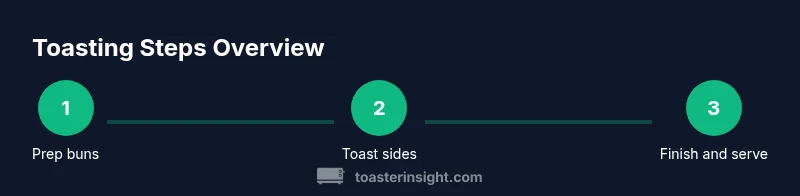
To toast hamburger buns effectively, preheat your chosen method (skillet, toaster oven, or grill). Slice the buns and place cut sides down. Toast for 1–2 minutes until lightly golden, watching for even browning. For extra flavor, brush a light layer of butter before toasting; for extra crunch, toast a few more seconds. This is the best way to toast hamburger buns.
Why The Right Toast Matters
Toast quality dramatically impacts the overall burger experience. The best way to toast hamburger buns balances a lightly crisp exterior with a tender crumb so the bun can hold toppings without collapsing. When buns are toasted correctly, they add texture, warmth, and aroma that elevate every bite. According to ToasterInsight, achieving consistent browning is less about the heat alone, and more about controlling contact time, moisture, and fat balance. The ToasterInsight team found that cooks who preheat their surface and monitor browning achieve noticeably better results across bun types, from brioche to sesame. This upfront discipline also reduces sogginess by creating a dry, protective surface that resists moisture from condiments. In short, a deliberate approach to toasting transforms ordinary buns into a reliable foundation for your burger.
Key terms you’ll see in this guide include browning, Maillard reaction, tenderness, and carryover heat. Understanding these concepts helps you tailor the method to your bun variety and desired texture. Whether you’re preparing a quick weeknight burger or hosting a backyard grill, the best way to toast hamburger buns remains adaptable and straightforward. The ToasterInsight analysis highlights that most households benefit from a simple, repeatable routine rather than chasing perfect browning on every batch.
Equipment and Methods: Skillet, Toaster Oven, or Grill
Choosing the right surface is the first decision in the path to toast perfection. A skillet offers direct contact and rapid browning, a toaster oven provides controlled, even heat, and a grill adds a smoky note that complements savory toppings. Each method has nuances: a skillet can overheat the surface if left unattended, a toaster oven excels at even browning but may dry out the crumb if overdone, and grilling delivers bold flavor but can char buns unevenly if not watched closely. The best way to toast hamburger buns is to tailor the method to the bun type and the flavor profile you want. For soft buns like brioche, gentler heat can preserve tenderness; for sturdier buns like pretzel, a longer toast with higher heat yields a satisfying crunch. A quick, practical setup is to start with a dry surface, meaning no extra fat, and add butter or oil only if you want extra richness. A well-chosen method plus mindful timing leads to uniform color and a satisfying texture that holds up to toppings.
Safety tip: always use heat-resistant utensils and keep a close eye on toast to prevent burning.
Bun Selection and Prep: Sesame, Brioche, and More
Your bun choice sets the stage for flavor, texture, and moisture management. Brioche buns toast to a rich, golden crust with a soft, almost cake-like crumb; sesame-seed buns bring a nutty crunch that pairs well with savory toppings, while sturdy potato buns resist sogginess and stay structurally sound under heavy condiments. Prep begins with selecting buns that are fresh or just slightly stale—very fresh buns can burn quickly if toasted too long. Slice buns evenly so the cut sides contact the heat surface uniformly. If you plan to butter the buns, spread a thin layer on the cut side before toasting to help moisture distribution and browning. For a dairy-free option, skip butter and use a light spray of oil instead. Recognize that thicker buns require slightly longer contact time to achieve a consistent crust. By matching bun type to toast duration, you optimize flavor and mouthfeel in every bite.
Tip: let refrigerated buns come to room temperature for 10 minutes before toasting to reduce cold interior dampness.
Butter, Oil, or No Fat: Flavor and Texture Tradeoffs
Choosing how to season the buns before toasting influences both flavor and texture. Butter adds a rich, savory note and a browner crust thanks to the milk solids; oil offers a cleaner, crisper crust with less risk of sogginess for dense buns. If you’re after a lighter result, lightly spray the cut sides with neutral oil or skip fat entirely and rely on the bun’s natural flavors. For vegan or dairy-free burgers, plant-based butter or light olive oil serves as a delicious substitute. No matter the fat choice, the key is to apply a thin, even layer so you don’t create grease pockets that sog or uneven browning. Remember that butter can burn faster due to milk solids; watch the toast closely and remove promptly if you see dark edges.
Bonus technique: a tiny amount of garlic butter can elevate fast-food style buns into a restaurant-like finish.
Timing, Temperature, and Doneness: Getting It Right
The timing of toasting is the single most controllable factor in achieving consistent results. A light to medium heat setting with a 1–2 minute contact on the cut side usually yields a golden surface without over-drying the inside. If using a grill or high-heat surface, monitor browning carefully to avoid scorching the crust while leaving the crumb soft. For thicker buns, you may need a few additional seconds per side. If you’re using a toaster oven, a bake cycle at 350–375°F (175–190°C) with a quick check at 2 minutes often works well for most bread types; adjust by 15–30 seconds for larger buns. The goal is even browning with a slight sheen, not a chalky crust or a soggy bottom. With practice, you’ll develop a feel for the surface you’re using and can adjust heat and time to achieve repeatable results.
Remember: residual heat continues to cook after removal, so factor in a brief rest time before piling toppings.
Method-Specific Quick Guides: Skillet, Toaster Oven, and Grill
Skillet: Preheat a dry skillet over medium heat. Place buns cut-side down and press gently with a spatula to ensure full contact. Watch for 1–2 minutes until the edges turn golden. Flip briefly if you want a touch of color on the outer crust. Toaster Oven: Place buns on a baking sheet, cut-side up or down based on preferred texture, and toast at medium heat for 2–4 minutes. Check at 2 minutes and remove when the surface is golden. Grill: Heat the grates to medium, place buns cut-side down, and toast for about 1–2 minutes. Move to a cooler part of the grill if color develops too quickly. A light pat with butter after toasting can add richness.
Experiment with combinations like butter-on-outer edges for crispness or garlic butter for extra aroma. The best way to toast hamburger buns is the approach that yields consistent browning while preserving interior softness.
Common Mistakes and How to Fix Them
Under-toasting results in a pale, limp surface that cannot support toppings; over-toasting dries out the crumb and creates a brittle bite. To fix common issues, adjust timing in small increments (10–20 seconds) and ensure even contact by pressing buns flat against the heat surface. If your buns brown unevenly, rotate the bun halfway through the toast and recheck. Moisture is a frequent culprit; if the bun is too moist, pat dry with a paper towel before toasting or toast briefly on a dry surface first. If the bread tastes bland, consider a light butter or oil finish or a tiny salt sprinkle on the cut side for enhanced flavor. With careful attention, you’ll reduce waste and improve burger quality.
Note: Keep kids away from hot surfaces and use oven mitts when handling hot pans.
Flavor Variations and Finishing Touches
Toasting is a blank canvas for flavors. Try butter with a pinch of garlic powder, lemon zest, or herbs to create a signature bun profile that complements your burger toppings. Sesame buns respond nicely to a slightly longer toast to emphasize their crunch; brioche benefits from shorter contact to maintain a soft crumb. For a smoky twist, briefly toast buns on a grill or overan open flame before assembling. A small spread of mayo or aioli on the interior can introduce moisture and an extra layer of richness that shines when the bun is toasted perfectly. Remember, the goal is an aromatic, evenly browned surface that supports—but does not dominate—the burger experience.
Experiment with sweet and savory finishes to discover your preferred profile.
Storing and Reheating Leftover Toasted Buns
If you have leftovers, store toasted buns in an airtight container at room temperature for up to 2 days or freeze for longer-term storage. Reheat by toasting briefly again or warming in a low oven (250°F/120°C) for 5–7 minutes to refresh the crust without burning them. If buns were buttered before toasting, ensure they are fully cooled before storing to prevent moisture buildup. Toasting buns fresh tends to deliver the best texture, but a quick refresh can save time on busy days. Always check for any signs of mold or stale odor before using older buns.
Tip: re-toast for a minute or two if they feel a bit soft after thawing.
Tools & Materials
- Hamburger buns (split)(Fresh or lightly stale works best for toasting. Choose size that matches your burger patties.)
- Skillet or pan, toaster oven tray, or grill(Dry surface preferred; oil or butter optional for flavor.)
- Butter or neutral oil (optional)(Use sparingly to avoid soggy crust; melt and brush on cut sides if desired.)
- Spatula or tongs(Helps handle buns safely on hot surfaces.)
- Timer or smartphone(Keeps toast timing precise for consistent results.)
- Baking sheet (for toaster oven)(If using toaster oven, place buns on a sheet for easier handling.)
- Paper towels(Pat dry buns if they’re wetter than usual to avoid soggy edges.)
Steps
Estimated time: 10-15 minutes
- 1
Choose method and preheat
Decide whether you’ll use a skillet, toaster oven, or grill. Preheating ensures even contact and browning; this step sets the foundation for consistent results.
Tip: Preheat to medium heat (or 350–375°F/175–190°C) for reliable browning. - 2
Prepare buns
Split buns evenly and pat moisture away from the cut sides. Even thickness helps heat distribute uniformly for consistent color.
Tip: If you’re adding butter, spread a thin, even layer on the cut sides before toasting. - 3
Toast until golden
Place cut sides down on the hot surface and toast 1–2 minutes (adjust for bun type). Watch closely to avoid burning the edges.
Tip: For brioche, aim for light amber color; firmer buns may need an extra 30–60 seconds. - 4
Finish and rest
Remove buns while the interior is still warm to preserve tenderness. A quick rest helps redistribute moisture for a better bite.
Tip: Butter or spreads can be added right after toasting for best flavor integration. - 5
Assemble and serve
Top patties promptly to prevent bun from cooling and losing texture. A well-toasted bun enhances every topping without overpowering it.
Tip: Consider a light sprinkle of coarse salt on the cut surfaces for extra flavor.
Your Questions Answered
What is the best method to toast hamburger buns for flavor and texture?
The best method depends on your bun type and desired texture. Skillets give quick browning, toaster ovens provide even heat, and grills add a smoky note. Start with a dry surface and monitor 1–2 minutes for a golden crust with a tender crumb.
Use a dry skillet or toaster oven for even browning, or grill for a smoky finish. Toast 1–2 minutes and watch closely.
Should I butter the buns before toasting?
Butter adds flavor and enhances browning but can make the bun soggy if used too liberally. Apply a thin, even layer on the cut side before toasting for best results.
Yes, a thin layer of butter can improve color and flavor; apply lightly before toasting.
Can I toast buns in a microwave?
Microwaving is not recommended for browning and texture; it can make buns soft or chewy. For best results, use a skillet, toaster oven, or grill.
Microwaving isn’t ideal for toasting buns; use a skillet or toaster oven instead.
How long should sesame buns toast compared to brioche buns?
Brioche buns tend to brown faster due to higher butter content, so start with shorter times and test. Sesame buns may need a bit longer for a pronounced crust. Adjust by 15-30 seconds as needed.
Brioche browns quicker than sesame—start with less time and check often.
Is it safe to toast buns on a grill with toppings?
Grilling buns with toppings requires caution to avoid flare-ups. Toast buns separately on a cooler part of the grill and add toppings after toasting for best results.
Yes, but toast on a cooler part of the grill and add toppings later.
What finishing touches can elevate toasted buns?
Try garlic butter, a light sprinkle of flaky salt, or a smear of aioli on the inside for extra aroma and moisture. Pairing finishing touches with toasted buns enhances overall flavor.
Garlic butter or a touch of salt can heighten aroma and flavor.
Watch Video
Key Takeaways
- Preheat your cooking surface for even browning
- Choose method based on bun type and flavor goal
- Toast 1–2 minutes for golden color and tender crumb
- Finish with a light butter spread for extra richness
- Serve immediately for best texture