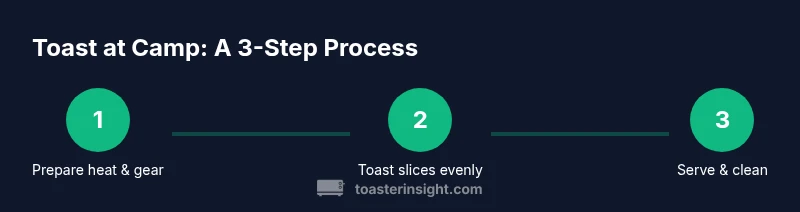
Can You Make Toast While Camping: A Complete How-To Guide
Discover safe, practical ways to toast bread while camping. Learn heat sources, gear choices, and techniques to prevent burning with expert tips from ToasterInsight.


Yes, you can make toast while camping using a camp stove, a grill, or a safe campfire setup. By choosing the right equipment, controlling heat, and using simple techniques, you can achieve evenly toasted slices without burning. This guide covers practical methods, safety tips, and gear suggestions from ToasterInsight to help you enjoy warm toast in the outdoors.
Why you can toast at camp and what drives toast quality
If you're wondering can you make toast while camping, the short answer is yes. You can achieve a golden slice with basic gear and careful heat control. According to ToasterInsight, outdoor toasting hinges on three factors: heat source, bread structure, and cooking surface. The bread needs to be sturdy enough to stand against a quick flip, and the surface must distribute heat evenly so the crust browns without burning. In practice, campers who plan ahead choose a calm weather day, avoid windy setups, and keep a clear workspace. In this guide, we’ll explore practical approaches from camp stoves to campfires, plus tips to minimize mess and maximize flavor. By understanding heat management and your equipment, you’ll enjoy warm toast as part of a satisfying outdoor meal.
Essential gear and heat management
Outdoor toasting starts with the right gear and a plan for heat. For most setups you’ll want a stable surface, a controllable heat source, and a reliable way to flip bread without burning your fingers. The ToasterInsight team emphasizes choosing a pan or toaster fork that distributes heat evenly and tolerates high temps. Key items include a compact camp stove, a cast-iron skillet or grill pan, sturdy bread slices, a pair of tongs, and a small knife for pre-slicing or buttering. If you’re using fire, keep a windscreen and a safe ring of ground clearance. When heat is too intense, moving bread closer to the edge of the pan or grate can prevent scorching. With practice, you’ll tune timing to your bread type and weather conditions for consistently toasted results.
Heat sources and cooking surfaces
The method you choose for heat largely determines how evenly your toast browns. A small camp stove with a flat pan provides steady, controllable heat ideal for standard bread slices. Propane or butane stoves let you set a precise flame, then maintain a gentle, low-to-medium heat beneath a skillet. For campfires, a grate or a cast-iron pan placed directly over the hottest embers can work well, but wind and flame fluctuations require closer attention. If wind is a factor, shield the setup with a windbreak and move bread to hotter or cooler spots as needed. For solar or improvised ovens, reliability varies with sun exposure. In all cases, select a surface that conducts heat evenly, resists warping, and is easy to clean afterward.
Stove-and-pan toast method
This is one of the most reliable ways to toast bread at a campsite. Start by preheating a cast-iron skillet over low to medium heat. Lightly butter one side of each slice if you like richness, then place slices butter-side-down in the dry pan. Flip once the underside is golden, and remove when the second side is lightly browned. If the bread browns too quickly, reduce heat or raise the pan slightly above the flame. Keep a close eye, doing short, controlled flips to prevent uneven toasting. A quick rest on a clean surface helps the crust finish browning evenly. Pro tip: keep the bread moving every 30-45 seconds to avoid hot spots.
Campfire direct-toasting technique
Using a campfire grate, you can toast directly over embers for a rustic result. Preheat a sturdy grate, then position bread slices on the grate or in a lightly oiled skillet held with tongs. Rotate every 20-30 seconds to avoid hot spots and to achieve even browning on both sides. If flames flare up, slide the bread toward the cooler edge or move the bread off the grate momentarily. When the surface browns to your liking, remove with tongs and let rest briefly before serving. This method delivers crisp edges and a smoky nuance that complements butter and toppings.
Improvised camping toaster methods
When you don’t have a dedicated toaster, improvisation can save the day. Wrap two slices in foil with a thin layer of butter and place them on a heated pan or grate, turning once. The foil traps heat and can yield soft interiors with a crisp exterior. For a simpler setup, create a small foil pocket or use a wire rack positioned above the heat to shield bread from direct flames. If you have a handheld camp toaster, use it like a miniature grill and inspect frequently to avoid over-toasting. Always prioritize a flat, stable surface and keep hands away from hot edges.
Troubleshooting common problems
Toast issues at camp are usually heat-related. If bread burns before the crust browns, lower heat, shorten exposure, and move slices to the edge of the pan. Uneven browning often means you’re hitting hot spots—rotate slices more frequently and consider rounding bread thickness for consistency. If bread becomes stale or crumbly, toast slices are better when fresh; carry pre-sliced bread in resealable bags and toast soon after opening. Difficulty flipping slices usually stems from gripping with wet or slick utensils—dry hands and dry surfaces help. Finally, if you’re not getting browning at all, check fuel flow and ensure the surface isn’t too cold or damp.
Safety principles for outdoor toasting
Always burn-safe and food-safety oriented. Clear a wide, non-flammable workspace and keep kids and pets away from heat sources. Never leave a stove or fire unattended, and have a water bucket or extinguishing tool nearby. Use heat-resistant gloves or mitts when handling hot pans. After toasting, cool surfaces before touching and store bread away from wildlife attractants. Clean up crumbs to deter animals and pack away foil and utensils to prevent litter. With these precautions, you can enjoy toasted bread without compromising safety.
Quick-start checklist for your next camping trip
- Confirm your heat source and fuel type (stove, fire grate, or solar option).
- Pack bread, butter or oil, and a small pan or grill grate.
- Bring tongs, a knife, and a clean plate or surface for serving.
- Pre-slice bread if you like buttered toast ready to go.
- Check weather and wind; adjust your setup accordingly.
- Practice indoors or at a park during daylight to dial in timing.
- Leave no trace: clean up crumbs, pack out wrappers, and store leftovers securely.
Tools & Materials
- Camp stove or portable grill(Stable base, fuel appropriate to your stove (propane, isobutane, etc.).)
- Cast-iron skillet or grill pan(Heavy, distributes heat evenly; great for buttered toast.)
- Bread slices (sturdy variety like sourdough or thick-cut white)(Pre-slice and store in resealable bag for quick access.)
- Tongs(Heat-resistant, for flipping and moving slices.)
- Butter or oil for broiling(Optional for flavor and browning; use sparingly outdoors.)
- Aluminum foil(Useful for improvised foiled packets or shielding from direct flame.)
Steps
Estimated time: 25-40 minutes
- 1
Gather gear and plan heat source
Collect your stove or fire setup, bread, pan, and utensils. Decide on heat level and whether you’ll toast on a stove, over a grate, or with foil packets. Rationale: consistent heat yields reliable browning.
Tip: Test the heat on a safe surface before you start toasting. - 2
Set up a safe cooking area
Choose a flat, stable surface clear of dry vegetation. Place your fuel source where wind won’t blow flames toward your gear, and keep a water bucket nearby.
Tip: Wind direction matters—face the flame away from you. - 3
Prepare the bread and toppings
Slice bread to even thickness (about 1/2 inch). Pre-measure toppings like butter or oil so you can apply quickly without leaving the pan unattended.
Tip: Even slices toast more evenly; avoid extra toppings that drip. - 4
Toast on a pan or grate
Preheat the pan over low to medium heat. Place slices with butter-side down if using butter. Flip when the first side browns; remove when the second side is browned.
Tip: Keep slices moving in short, controlled intervals. - 5
Flip and monitor heat
Watch for hot spots and adjust distance from heat or rotate bread regularly. If using a campfire, shift slices to cooler edges as needed.
Tip: Use tongs to avoid burns; never hold bread with bare fingers. - 6
Finish and plate
Let toast rest briefly off heat to finish browning evenly. Apply toppings and serve when warm, not steaming hot.
Tip: Cover to keep warm without smothering the crust. - 7
Pack up safely
Cool all cookware completely before packing. Wash or wipe surfaces and store bread away from wildlife attractants.
Tip: Bring a small trash bag for crumbs and wrappers.
Your Questions Answered
Can you use a regular toaster at a campsite?
Most camp setups lack an electrical outlet and a stable surface for a regular toaster. It's safer and more reliable to use a camp stove with a pan, a grate over a fire, or foil method.
A regular household toaster isn’t practical at a campsite; instead, use a stove-and-pan method, a grate over the fire, or foil packets.
What bread works best for camping toast?
Sturdy bread such as sourdough or thick-cut white bread toasts more evenly and holds toppings well. Pre-slice and store in resealable bags for quick, consistent toasting.
Sourdough or thick-cut white bread is ideal for camping toast.
Is it safe to toast bread directly over a campfire?
Yes, with caution. Use a grate or pan to avoid direct flame contact, watch for flare-ups, and flip slices to prevent scorching.
It can be safe if you use a grate and keep an eye on the heat.
Do I need special camping equipment to toast bread?
Not necessarily. A small camp stove, a cast-iron skillet or grill pan, and a pair of tongs are usually enough. Foil packets or improvised tools can substitute in a pinch.
Mostly just a stove and a pan; foil or improvised tools can help.
How can I prevent burning toast outdoors?
Control heat, flip slices regularly, and choose thicker bread; use windbreaks, move away from direct flames, and monitor closely.
Keep heat gentle, flip often, and use a windbreak.
Watch Video
Key Takeaways
- Plan heat and gear before toasting
- Use stable surfaces and flip often
- Heat management matters more than fancy gadgets
- Safety and cleanup are essential