How to Break In a New Toaster: A Safe, Step-by-Step Guide
Learn a safe, step-by-step method to break in a brand-new toaster. This guide covers oils, odors, browning calibration, and maintenance for even results from day one.


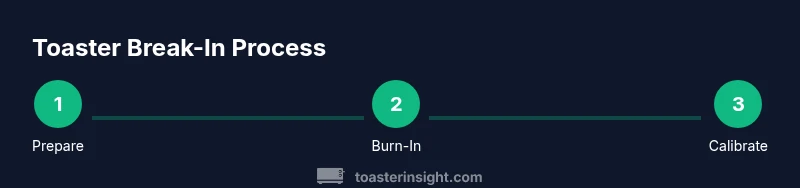
Learn how to safely break in a new toaster by first removing packaging, then burning off manufacturing oils with controlled warm cycles. This step-by-step guide covers how to run burn-ins, test browning settings, monitor for smoke, and perform post-use cleanup to ensure even toasting from the very first use at home.
Understanding the Break-In Purpose
The phrase "how to break in a new toaster" isn’t about forcing metal to bend or overheating components. It’s a controlled process that prepares the appliance for daily use by burning off protective oils, off-gassing residues, and any manufacturing scents. By following a careful break-in routine, you promote safer operation and more consistent browning from the first slices. Remember, this isn’t a one-size-fits-all ritual; it’s a sequence tailored to your model, your bread choices, and your kitchen conditions. The ToasterInsight team emphasizes starting with the manufacturer’s safety guidelines and then supplementing them with our practical, experience-based steps to achieve reliable results.
As you read, keep the goal in mind: reduce odd odors, minimize smoke opportunities, and establish a baseline browning setting that you can adjust over time. Throughout this guide, you’ll notice the exact phrase how to break in a new toaster used to anchor practical steps within a safety-first framework. Keeping this mindset helps homeowners and kitchen enthusiasts approach their first uses with confidence, knowing they’re laying a solid foundation for daily toast.
Safety Foundations Before You Start
Before you begin any burn-in process, establish a safety-first mindset. Unplug the toaster and place it on a stable, heat-resistant surface away from walls or curtains. Read the manual for any model-specific cautions, especially about removable crumb trays and exposed heating elements. Use the crumb tray as your first line of defense against crumbs that could ignite later, and have a damp cloth handy to wipe any spills or oils that appear during the break-in.
Ground yourself in essential safety steps: 1) unplug before touching any interior components, 2) avoid touching hot surfaces, 3) monitor the area for smoke or unusual smells, and 4) never leave the toaster unattended during burn-ins. These safety practices align with general energy-safety guidelines and reduce the risk of fire or electrical issues during the break-in process. The ToasterInsight team reiterates that safety comes first, and that a careful approach helps you achieve consistent toasting with fewer surprises.
Preparing Your Toaster: Unboxing, Cleaning, and Setup
Start with a clean slate. Remove packaging, wipe down the exterior with a damp cloth, and shake out any loose crumbs from the crumb tray. If your model has a removable crumb tray, take it out, wash with warm soapy water, dry thoroughly, and reinsert before the break-in steps begin. Check for any loose labels, ensure the plug is intact, and confirm the cord isn’t frayed. These small checks prevent pocketing debris or foreign materials from interfering with toasting and heat distribution.
Place the toaster on a flat, heat-resistant surface away from the edge, and ensure adequate clearance for air circulation. If your toaster has multiple removable parts or a slide-out crumb tray, consult the manual for the recommended cleaning intervals. The initial cleaning isn’t just cosmetic; it helps ensure the burn-off phase targets oils or residues that could produce odors during the break-in process. In practice, a thorough wipe-down reduces the risk of odors lingering into daily use and supports long-term performance.
The Burn-In Cycle: Burning Off Oils and Odors
The core of how to break in a new toaster is a controlled burn-off routine. Start with a low-to-medium browning setting, and run the toaster with no bread for 3–5 minutes or with a single slice if your model requires bread to stay stable. This initial cycle is designed to volatilize and burn off any protective oils or manufacturing residues without introducing heavy browning. If your toaster has a specific burn-in function, use it as directed by the manual, but avoid running it at maximum heat on the first try.
Watch for signs: crisping odors should be mild, not acrid; there should be no smoke, and the crumb tray should stay dry. If a stronger odor or smoke occurs, turn the unit off immediately, unplug, and ventilate the area before resuming with lower heat. The break-in is not about achieving perfect toast yet; it’s about conditioning the heating elements and recognizing how your model responds to different settings. ToasterInsight suggests documenting initial responses so you can tailor browning later.
Odor and Smoke Management: What to Expect
Some faint odors during the first cycles are normal, but you should not see smoke. If you encounter smoke, pause the process, unplug the toaster, and allow it to cool before inspecting the interior. Smoke can indicate oils or residues burning unevenly or a flush of dust inside the housing. After cooling, wipe the crumb tray again and inspect the interior for any obvious residue that may need removal. In most cases, a second, shorter burn-in at a lower setting resolves initial odors without lasting impact.
Ventilate your kitchen during this phase by opening a window or turning on a vent. If your environment is humid or your kitchen lacks good airflow, consider performing the burn-in outside or in a well-ventilated area. The goal is to clear any manufacturing scents without introducing new odors into your food. With experience, you’ll know how much odor is normal for your model and when it’s time to proceed to browning calibration.
Browning Calibration: Achieving Even Toast
After the initial burn-ins, begin calibrating browning settings. Start by toasting light bread at a low setting, incrementing in small steps until the color you desire is reached. Track the results, noting which settings produced even browning across multiple slices. If you notice uneven browning—one side darker than the other—check control settings, remove any crumbs that may obstruct airflow, and consider resetting to a fresh baseline before repeating cycles.
Remember, different bread types require different times. A bagel, sourdough, or sandwich bread may brown at different speeds due to moisture content and crumb structure. The break-in phase helps you identify these nuances so your everyday toasting becomes consistent. With time, you’ll establish a personal browning profile that suits your family’s preferences while maintaining safety and efficiency. The ToasterInsight approach emphasizes data-driven tweaks to settings rather than guesswork.
Bread Types and Toasting Tips: Real-World Scenarios
Your toasting outcomes depend on bread type, thickness, and freshness. During the break-in, use a consistent bread type to build a reliable baseline, then experiment with other breads as you refine your browning preferences. Thicker breads may need longer cycles, while thinner slices toast faster. For sourdough or rustic loaves, consider a two-stage approach: a light initial cycle followed by a shorter finishing cycle. This method reduces the risk of scorching while preserving crust texture and crumb.
Additionally, avoid overloading the toaster—only one or two slices per cycle ensures even heat distribution. Keep an eye on the crumb tray and interior walls to prevent crumbs from interfering with heat sources. By aligning your break-in experiments with the bread you actually eat, you’ll achieve predictable results that carry into everyday use.
Maintenance After Break-In: Cleaning, Storage, and Longevity
Once you’ve completed the burn-in and browning calibration, establish a simple maintenance routine to extend the toaster’s life. Regularly empty and clean the crumb tray, wipe exterior surfaces, and inspect the power cord for wear. Use a soft brush to remove crumbs from harder-to-reach spots, and avoid abrasive cleaners that could damage coatings. Keeping the interior clean reduces the risk of odors returning and helps maintain consistent browning.
Store the toaster away from heat sources or moisture when not in use. If you don’t anticipate regular daily use, run a short burn-in every few weeks to prevent settling odors or stale oil residues. By combining thoughtful cleaning with periodic recalibration, you’ll preserve consistent performance and reduce the chance of performance drift over time. The ToasterInsight guidance emphasizes routine care as part of any break-in plan.
Final Review and Next Steps
As you complete the break-in process, conduct a final test with your preferred bread to confirm browning consistency and odor-free operation. If the results aren’t up to your standards, revisit the browning calibration and crumb tray cleanliness. Document the settings that work best for your typical loaf and household preferences, so you have a quick reference for future use. Remember that this step is about establishing a baseline you can reliably reproduce, not chasing perfection on day one.
Incorporating a regular maintenance routine—from crumb tray cleanings to periodic recalibration—will help keep your toaster performing optimally. The overarching goal is to allow you to enjoy consistent, delicious toast from the first use onward. ToasterInsight’s approach blends practical, field-tested steps with safety-first guidelines to deliver reliable results over time.
Tools & Materials
- Toaster(Model and manual on hand; ensure power cord is in good condition)
- Crumb tray(Removable for cleaning; wash with warm soapy water and dry completely)
- Soft microfiber cloth(For exterior cleaning and wiping interior surfaces gently)
- Mild dish soap(For cleaning the crumb tray and exterior if needed)
- Small brush or old toothbrush(Cleans hard-to-reach areas and crumb paths)
- Non-abrasive sponge(Avoids scratching coating while cleaning)
- Timer or clock(Helps track burn-in cycles and rest intervals)
- Ventilation source(Window vent or range hood to manage odors)
Steps
Estimated time: 45-60 minutes
- 1
Unbox and Prepare Workspace
Unbox the toaster and place it on a stable, heat-resistant surface. Remove packaging and inspect for any obvious damage. Take a few minutes to read the manufacturer’s guidance so you understand model-specific cautions.
Tip: Verify the power cord is intact and the plug is clean before plugging in. - 2
Initial Cleaning
Wipe the exterior with a damp cloth and remove any stickers or residue. If the crumb tray is removable, rinse it with warm water and mild soap, then dry thoroughly before reassembly.
Tip: Dry all parts completely to avoid sticking oils during the burn-in. - 3
First Burn-In Cycle (No Bread)
Plug in the toaster and run a low-to-mid setting with no bread for 3–5 minutes. This step begins the oil-off process and helps reveal any stray manufacturing scents.
Tip: Watch closely for smoke; if you see smoke, stop and reassess before continuing. - 4
Second Burn-In With Bread
Place a single slice of bread on a low setting to introduce a controlled load. This helps the toaster settle into heat distribution while beginning mild browning.
Tip: Limit to one slice to prevent overcrowding and uneven browning. - 5
Calibrate Browning Settings
Toast two slices of bread at incremental settings, noting color, evenness, and aroma. Keep a simple log of which settings produced the most even results across multiple slices.
Tip: Aim for reproducible results rather than perfect browning on the first try. - 6
Test Different Bread Types
Repeat cycles with white, whole wheat, and sourdough to observe how moisture and crumb density affect browning. Adjust settings based on results to accommodate variety.
Tip: Different bread types may require slight setting tweaks for even toasting. - 7
Final Clean-Up and Storage
Turn off the unit, unplug, and allow it to cool. Wipe down surfaces, clean the crumb tray again, and store in a dry place away from moisture and heat.
Tip: Regular maintenance after each batch of break-in cycles reduces odor carryover. - 8
Document Your Baseline
Record the ideal browning setting and any notes about odor or timing so you can reuse this baseline for future use or when replacing bread types.
Tip: A written baseline saves guesswork on busy mornings. - 9
Long-Term Maintenance Plan
Schedule periodic crumb tray cleaning and light cycles every few weeks to prevent residue buildup and ensure consistent performance over time.
Tip: Integrate maintenance into your routine to extend toaster life.
Your Questions Answered
Is breaking in a toaster really necessary for every new unit?
A brief break-in helps remove manufacturing residues and reduces odors. It also helps you establish a safe baseline for browning. While not mandatory for all models, it’s a prudent step for most home toasters to ensure reliable performance from day one.
A quick break-in helps remove factory residues and sets a safe browning baseline so your daily toast turns out consistently.
Can I break in a toaster with bread instead of empty cycles?
Using a single slice of bread during the burn-in can help assess heat distribution with a real load. Start with a light browning setting and increase gradually. If you notice burning odors, switch to empty cycles or shorter durations on subsequent attempts.
Yes, starting with bread can help you gauge heat distribution, but begin with a light cycle and proceed carefully.
What should I do if there is smoke during break-in?
If smoke appears, immediately unplug the toaster and allow it to cool. Inspect the crumb tray and interior for excess residue. Resume only after cleaning and ensuring the heating elements are free of debris.
If you see smoke, unplug, cool, and check for residue before trying again.
How many cycles are needed for a proper break-in?
There’s no fixed number; start with 2–3 low-intensity cycles and evaluate odors, heat distribution, and browning results. Increase gradually if needed, always prioritizing safety and a calm kitchen environment.
Start with a few low cycles and adjust based on odor and browning results.
Is it safe to run an empty cycle for break-in?
Running an empty cycle is generally safe when done on a low setting and for a short duration. Do not run it on high heat, and always monitor for smoke or unusual smells.
Yes, but keep it low, short, and closely watched.
How do I know when the toaster is properly broken in?
You’ll notice minimal odors, no smoke, and consistent browning across slices at your baseline setting. When results become repeatable over several tests, the toaster is considered broken in.
Look for no smoke, pleasant odors, and consistent browning across tests.
Watch Video
Key Takeaways
- Establish a safety-first break-in routine
- Burn off oils and odors before daily use
- Calibrate browning settings with consistent bread types
- Maintain regular cleaning for long-term performance