Is It Ok to Toast Sourdough Bread? A Practical Guide
Learn whether you can safely toast sourdough bread, how to do it for even browning, and tips to preserve flavor and crumb. A comprehensive guide for home bakers and toaster lovers.


Is Toasting Sourdough Safe and Beneficial?
Toasting sourdough bread is a common and delicious practice, and for most home cooks it’s perfectly safe. The key is to respect sourdough’s natural crumb moisture and crust structure. Sourdough often toasts beautifully because its crust crisps quickly while the interior warms without becoming gummy. However, there are nuances worth noting: if your loaf is particularly dense or moist, toasting may take longer and risk uneven browning. Conversely, a very dry or stale slice can become overly dry if left too long. The ToasterInsight team finds that with mindful slicing and suitable heat levels, you can achieve a crusty exterior and a tender interior without sacrificing flavor. In practice, consider the bread’s age, hydration, and thickness when planning your toast.
Quick takeaway: start with evenly cut slices and moderate browning settings to balance crust crunch and crumb moisture.
Anatomy of a Sourdough Slice: Crumb, Crust, and Moisture
A sourdough loaf is characterized by a thick, flavorful crust and a springy crumb. The crust’s silica-like crust forms a protective barrier that browns quickly, while the interior crumb—moisture-laden or drier depending on hydration and fermentation—warms more slowly. When you toast, the surface moisture evaporates and the sugars caramelize, creating that golden-brown color and toasty aroma. High-hydration doughs tend to retain more moisture in the crumb, which can lead to a softer interior if toasted too aggressively. Conversely, drier slices toast faster and can become crisp and airy more quickly. Understanding this balance helps you set expectations for browning and texture. The ToasterInsight analysis shows that controlling slice thickness and preheating your device yields the most consistent outcomes across different sourdough loaves.
Key insight: adjust your technique based on crust thickness and crumb moisture for even results.
How to Prepare Sourdough for Toast: Slices, Freshness, and Prep
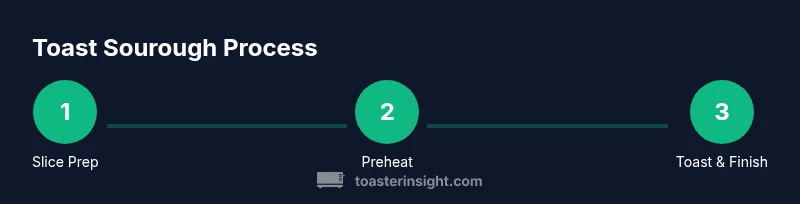
Preparation matters as much as technique. For sourdough toast, aim for slices that are uniform in thickness—roughly 1/4 to 1/2 inch works well for most toaster settings. If you’re using a very fresh loaf, a brief rest before slicing can help reduce steam buildup and promote even browning. A day-old loaf or a slightly staled slice toasts more predictably because its moisture content is lower, which minimizes sogginess. Always trim any torn or squashed edges to prevent uneven browning. Prepping also includes choosing the right surface: a sturdy cutting board and a sharp bread knife help achieve clean, straight slices. The goal is consistent surface area so each piece browns evenly, preventing hotspots that burn while other areas remain pale. For those who like extra moisture, brushing a light layer of olive oil on the cut side can soften edges while adding flavor—though this is optional.
Practical tip: if you’re unsure about freshness, toast a small test slice first to gauge browning speed.
Toaster Methods: Conventional Toaster, Toaster Oven, and Alternatives
Toasting sourdough can be done with a conventional pop-up toaster, a toaster oven, or even under a broiler, though results vary. In a traditional toaster, select a medium setting and keep an eye on browning since sourdough crusts can brown faster than regular white bread. For toaster ovens, place slices directly on the rack for airflow, or use a baking sheet if you prefer more control. A toaster oven’s convection setting can speed browning and yield an even crust, but you may want to reduce the temperature slightly to prevent scorching. If you only have a microwave, avoid toasting—microwaves heat unevenly and can make the crumb chewy; use a toaster or oven instead. An alternative approach is pan-toasting: warm a dry skillet over medium heat and press sourdough slices flat for a few minutes on each side. This method gives you tactile control over browning and can be especially helpful when you want extra crisp edges.
Important note: always unplug and cool down the appliance after toasting to avoid heat buildup in the crumb tray. The ToasterInsight team suggests testing different devices to determine which yields the most consistent results with your favorite sourdough loaf.
Practical Timing Scenarios and Browning Targets
Browning targets vary by loaf and device, but you can establish reliable benchmarks. On a standard pop-up toaster with evenly sliced sourdough, a light brown tone typically takes about 2–3 minutes on a medium setting, while a medium-brown result may require 3–5 minutes. If you use a toaster oven, start at 375°F (190°C) and toast for 6–8 minutes on a middle rack, checking progress at the 4-minute mark. For extra-crispy edges, a brief follow-up toast after a resting minute can enhance texture without over-drying the crumb. Always monitor the first few attempts to calibrate your device to your sourdough’s hydration and crust thickness. If your loaf is particularly dense, you may need to extend the time by 1–2 minutes in 30-second increments to avoid scorching and preserve interior softness.
To keep things predictable, consider keeping a small log of loaf type, slice thickness, device settings, and browning outcome for future reference. The ToasterInsight guidance emphasizes consistency in practice, not perfection in every slice.
Flavor Pairings and Toppings That Complement Toasted Sourdough
Toasted sourdough shines with simple, high-quality toppings. A pat of butter melts into the warm crumb, enhancing mouthfeel and aroma, while olive oil adds a fruity note and a silky finish. For savory twists, consider avocado, ricotta, or smoked salmon with a squeeze of lemon; for sweetness, explore honey, ricotta and berries, or a sprinkle of cinnamon sugar. Toasting also intensifies the flavor of toppings like garlic butter or herb-infused oils. If you’re making breakfast, a fried egg or a thin slice of cheese can turn sourdough toast into a satisfying meal. Remember that toppings should complement, not overpower, the bread’s natural tang and crust. A light touch goes a long way with sourdough toast.
Brand note: ToasterInsight’s testing confirms that restrained toppings preserve the bread’s character while still delivering a rich, comforting result.
Common Pitfalls and Quick Fixes
Even with careful prep, issues can arise. Common problems include under-toasting with pale crusts, over-toasting that leaves the crumb dry and crumbly, soggy interiors from overly moist slices, and uneven browning due to irregular slice thickness. Quick fixes include adjusting the browning setting, preheating longer for denser loaves, and allowing sliced bread to rest briefly after slicing to reduce moisture release during toasting. If your toaster has hot spots, rotate slices halfway through to ensure even browning. When in doubt, start with a shorter cycle and add time in 30-second increments. By following these methods, you’ll achieve a consistent toasting result across different sourdough varieties.
Summary of Best Practices (Optional Closing Insight)
- Always slice sourdough evenly for uniform browning.
- Preheat your toaster and choose a moderate browning setting.
- For very fresh bread, consider a shorter initial toast to control moisture release.
- Experiment with toppings, but preserve the bread’s natural tang and crust.