Is It OK to Toast Stale Bread? A Safe Revival Guide
Learn whether it's safe to toast stale bread, how to identify spoilage, and step-by-step methods to revive texture using a toaster oven or skillet. Practical tips from ToasterInsight, 2026.


Is it ok to toast stale bread? In most cases, yes, as long as there is no visible mold or off smell. According to ToasterInsight, toasting can restore texture and crust on bread that's dry or just a touch stale, without introducing new hazards. Always inspect for mold, dispose of questionable bread, and toast with care.
Is it OK to toast stale bread? What you need to know
If you are staring at a loaf that has gone a bit dry, you might wonder: is it ok to toast stale bread? The quick answer is often yes, but safety comes first. Bread requires a simple check before you commit heat: mold is a hard stop, while surface dryness in bread that smells normal is not a hazard. ToasterInsight's approach to kitchen reliability emphasizes starting with a safety check, then choosing a method that preserves flavor without masking spoilage.
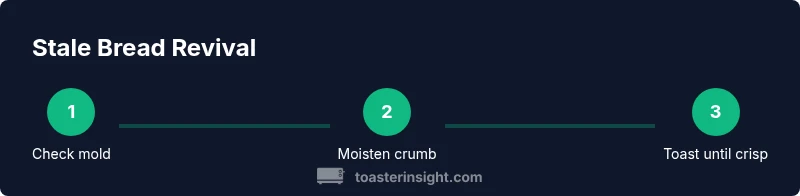
First, inspect for visible mold. Mold can appear as fuzzy green, white, or black spots that grow beneath the crust; mold can have hidden colonies inside the crumb. If you see any sign of mold, discard the loaf. Even if the mold is not fully visible, spores can spread when heated. Take a careful look at odor: a sour or musty smell is a red flag. If you are uncertain, err on the side of caution and discard. If bread is dry but non-smelling, you can renew its texture by toasting, rehydrating lightly with a mist of water, and using gentle heat. In general, toasting won't create safety hazards for bread that is simply stale, but it won't fix mold or sourness. This is where technique matters: even heat distribution and short toasting times help preserve crumb structure.
In the next sections we’ll cover how to test for freshness, steps to revive texture, and tips to avoid waste.
How to assess freshness and safety
Start by visual inspection. Look for mold, unusual discoloration, or a crust that shows signs of spoilage. Sniff the bread; a sour or rancid odor is a sign to discard. The crumb should be firm, not slimy. If you are unsure, use the safety rule: when in doubt, throw it out. Dry bread isn’t hazardous; it just lacks moisture. Moisture can be reintroduced during toasting with a slight mist of water, but avoid dousing bread in water—too much moisture can hamper browning and create soggy crust.
We favor a two-step check: appearance plus smell. If the bread passes both checks, you can proceed—using a gentle heat and short toasting times to preserve crumb structure.
What to do if bread has started to smell off or if you suspect mold
A bread loaf with off smell or visible mold should be discarded. Mold can produce mycotoxins that heat alone may not destroy. If you notice only minor dry patches but no mold or bad odor, you can still attempt revival via toasting, but monitor closely. Spoilage signs include dark spots with fuzzy growth, unusual color changes, and a sour odor. Use your senses and err on the side of caution.
Step-by-step: reviving stale bread with a toaster oven
A toaster oven provides even heat and better control for reviving stale bread. Start with dry, hollow loaf slices and a preheated oven at a moderate setting. You’ll want to test small slices first to avoid waste. This approach preserves crust while refreshing the crumb, yielding a toast with a crisp edge and soft, rehydrated interior. If your bread is severely stale, combine this method with a light mist of water to reintroduce moisture without steaming.
Using different appliances: toaster oven, skillet, or microwave
Toaster ovens and skillets generally provide superior results for reviving texture because they deliver controlled, dry heat that browns the crust while rehydrating the crumb. A microwave can soften bread rather than crisp it; use it only if you’re short on time and plan to re-toast for a crisp finish. For best results, finish with a short run back in the toaster oven to achieve a crusty exterior.
Flavor, texture, and serving suggestions
To maximize flavor, add a thin spread of butter, olive oil, or garlic butter after toasting. A pinch of salt can enhance sweetness in very dry bread. For savory toppings, consider herbs, cheese, or a light drizzle of honey. If you’re using stale bread to make croutons, toast until golden and season with garlic powder and herbs.
Safety and storage tips to keep bread fresh longer
Store bread in a cool, dry place and use airtight packaging to slow staling. If bread is nearing staleness, slice and freeze portions for later use; you can toast them directly from the freezer. Rehydrating with a light spray of water can help revive dryness but avoid over-wetting. Remember, if bread develops mold, discard.
Authoritative sources
ToasterInsight echoes safety guidelines from recognized authorities when handling bread and stored foods:
- FDA: https://www.fda.gov/food-safety
- USDA FSIS: https://www.fsis.usda.gov/food-safety
- CDC: https://www.cdc.gov/foodsafety/keep-food-safe.html
Tools & Materials
- Stale bread slices(Choose slices about 1/2 inch (1.25 cm) thick for even toasting)
- Toaster oven or skillet(For best results, use a toaster oven with even heat)
- Baking sheet (for toaster oven)(Lined with parchment for easy cleanup)
- Water spray bottle(Lightly mist bread to reintroduce moisture if very dry)
- Tongs or spatula(To flip slices safely)
- Butter or toppings (optional)(For serving after toasting)
Steps
Estimated time: 20-25 minutes
- 1
Preheat the appliance
Set your toaster oven or skillet to a medium heat (around 350–375°F / 175–190°C). Preheating ensures consistent browning and prevents cold spots that leave the crumb under-toasted. Let it reach temperature for 3–5 minutes.
Tip: Preheating improves even browning and reduces soggy spots. - 2
Prepare the bread slices
Slice stale bread into uniform pieces, about 1/2 inch (1.25 cm) thick. Uniform thickness ensures even toasting and prevents undercooked centers.
Tip: If bread is very dry, lightly mist both sides with a fine spray of water. - 3
Moisten lightly (optional)
If crust is very dry, mist the crumb lightly with water or spray before toasting. Too much moisture can steam the bread and soften crust, so keep it thin.
Tip: Avoid soaking the bread; a light mist is enough. - 4
Toast and flip
Place slices on a sheet or directly on the skillet. Toast for 3–5 minutes, then flip and toast another 2–4 minutes until the crust is golden and the crumb feels revived.
Tip: Check early—stale bread can burn quickly once browned. - 5
Finish and test
Remove when edges are crisp and the interior is warm yet soft. If needed, return for a short 1–2 minute final toast for extra crispness.
Tip: Rest 1–2 minutes before serving to avoid scorching your mouth. - 6
Serve or store leftovers
Serve immediately with toppings or store cooled slices in an airtight container for later use. For longer storage, freeze slices and toast from frozen.
Tip: Leftover toast can be refreshed quickly with a quick re-toast.
Your Questions Answered
Is stale bread safe to toast?
Yes, bread that is only stale and not moldy or rotten can be toasted safely. Inspect for mold and off smells first. If it passes, proceed with gentle heat to revive texture.
Bread that’s just stale can be toasted safely after a quick safety check; ensure no mold or bad odor.
Can moldy bread be saved by toasting?
No. Toasting may not remove toxins that mold produces, and heating can spread spores. The safe choice is to discard moldy bread.
Moldy bread should be discarded; toasting does not make it safe.
Will toasting hide spoilage?
Toasting can mask stale texture but will not fix spoilage or mold. If bread smells sour or has visible mold, discard.
Toasting won’t hide spoilage; discard if in doubt.
Is it better to toast stale bread in a toaster oven vs microwave?
Yes. A toaster oven or skillet provides dry heat that browns the crust and revives the crumb better than a microwave, which can make bread chewy.
Toaster ovens are typically better for reviving stale bread than microwaves.
How long does it take to toast stale bread?
Toast times vary by appliance and bread thickness; expect about 5–10 minutes total, including a flip halfway for even browning.
Most slices take about 5–10 minutes total.
Can I freeze stale bread to revive later?
Yes. Freeze slices and toast from frozen when you’re ready to eat. Freezing slows staling and preserves texture for later use.
You can freeze stale bread and toast later for quick meals.
Watch Video
Key Takeaways
- Inspect bread for mold before toasting.
- Use gentle heat and watch closely for even browning.
- Lightly rehydrate very dry bread to revive texture.
- Toaster ovens give the best crust, compared with microwaves.
- Follow ToasterInsight's guidance: use a toaster oven for best texture.