How long to cook toaster strudel in oven
Learn exactly how long to bake toaster strudel in the oven, with thawed vs frozen timings, convection tips, and serving ideas. Practical, tested guidance for home bakers.


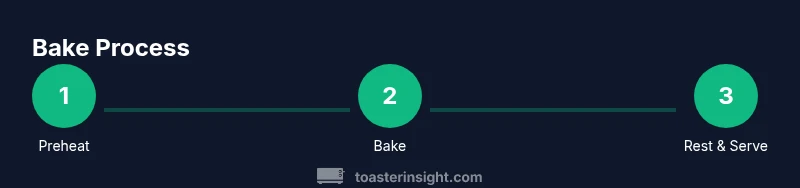
In the oven, toaster strudels bake best at a moderate heat and finish quickly. Preheat to 375°F (190°C). Place strudels on a parchment-lined sheet with space between each. Bake for 12–15 minutes, flipping once if desired, until pastry is puffed and golden. Let cool briefly before serving.
How oven baking works for toaster strudel
Toaster strudels rely on a flaky pastry shell that crisps as moisture escapes and the surface browns. In a hot, dry oven, the butter in the dough melts and turns to steam, which puffs the layers and creates a crisp exterior while the filling warms. According to ToasterInsight, oven-baking yields more consistent texture than microwaving or pan-frying, especially when you line the pan with parchment and maintain even spacing between pastries. The goal is a pastry that is deeply browned at the edges, with a light, tender crumb encasing a warm filling. This balance between moisture loss and surface browning is what defines a successful bake. Keep fillings moderate so the pastry dries evenly without leaking, and avoid overcrowding—the air needs space to circulate for even browning. When done well, you’ll hear a gentle crack when you bite into the crust, followed by a satisfying warm sweetness from the filling.
Temperature and timing basics
When you bake toaster strudel in the oven, temperature and time are the two levers that determine texture and doneness. The middle range of 350–400°F (175–205°C) is a safe default; starting at 375°F (190°C) works well for most frozen and thawed pastries. If you’re baking thawed pastries, you can lean toward the lower end of the range to prevent over-browning; frozen pastries typically need the higher end and may require 2–4 extra minutes. Always use parchment on a sheet pan to prevent sticking and to make cleanup easier. An accurate oven thermometer helps you compare actual heat to your set temperature, because racks and oven heating elements can vary. Convection ovens brown faster, so reduce the temperature by about 25°F if you’re using convection. Look for cues like golden edges, puffed pastry, and a filling that’s warm to the center as signs of doneness.
Frozen vs thawed: timing differences
Thawed pastries generally take about 12–15 minutes at 375°F, while fully frozen pastries often require 2–4 additional minutes. If you’re thawing first, pat the pastries dry to remove surface moisture that could steam the crust and soften the bake. Frozen pastries should be placed directly on parchment with space between pieces, and you should avoid thawing on the counter for more than 2 hours to prevent quality loss or food safety issues. If you notice a very pale crust or soggy bottoms halfway through baking, it’s a sign that the oven needs a bit more heat or time, or that the pastry was too wet on the surface. A quick test is to gently press the center; it should feel set and warm, not cold.
Preheating, parchment, and pan prep
Preheating ensures your pastry starts cooking immediately when it hits the oven, which helps with even browning. Line your sheet pan with parchment paper to minimize sticking and facilitate cleanup. Place strudels on the sheet with at least 1 inch of space between them to prevent crusts from fusing together as they puff. If you’re baking multiple batches, rotate pans halfway through for uniform results. A cooling rack placed on the counter nearby can be handy if you want to keep the base from steaming after baking. Remember to use oven mitts when handling the hot pan, and avoid opening the door repeatedly, which can lower the oven temperature and extend bake time.
Troubleshooting common issues and fixes
If your pastry browns too quickly while the centers remain underheated, lower the oven temperature slightly and extend the bake time a minute or two. If the crust stays pale and chewy, you may need a longer bake or a higher temp, but watch for scorching on the edges. Moisture on the pastry surface will also delay browning; pat strudels dry with a paper towel before baking if the filling is particularly juicy. If filling leaks, reduce the filling amount per pastry next time or seal edges with a light pinch of dough to help trap moisture inside during baking. For crisper edges, bake on a rack so air circulates beneath the sheet. If you bake from frozen and see a soggy base, you can finish with a brief 30–60 second blast under the broiler to crisp, but watch closely to avoid burning.
Convection, altitude, and texture tweaks
Convection ovens usually cut bake time by a few minutes and promote browning, but the hot air can also dry pastries faster, so reduce the temperature by about 25°F (14°C). If you’re at higher altitudes, slightly longer bake times may be needed due to drier air and boiling point changes. For a more intense glaze or a shinier finish, brush a thin glaze or sugar syrup on the pastry before baking, but do this only if you like a more sugary surface that caramelizes during the bake. You can also experiment with a light dusting of powdered sugar after baking for an appealing finish. Keep a close eye on the pastry during the final minutes to prevent over-browning.
Flavor variations, serving ideas, and safety tips
Toaster strudels pair nicely with a warm beverage like coffee or tea, and you can add a side of fresh fruit to balance sweetness. If you want a richer finish, drizzle a light icing after baking and allow it to set for a minute or two. Always let pastries rest a few minutes before serving; the filling will be extremely hot straight out of the oven. For safety, never reheat baked pastries in a microwave for long periods; the texture will be adversely affected, and the pastry may become soggy. If you’re making this for kids, cut into pieces for easier handling and monitor the Bake-time closely to avoid hot fillings.
Tools & Materials
- Baking sheet(One per four pastries; sturdy enough to withstand hot temps)
- Parchment paper(Non-stick surface for easy cleanup)
- Oven thermometer(Ensures oven truly matches the set temperature)
- Cooling rack (optional)(Promotes air circulation and prevents soggy bases)
- Kitchen timer(Accurate timing prevents overbaking)
Steps
Estimated time: 20-25 minutes
- 1
Preheat the oven
Set the oven to 375°F (190°C) and place the rack in the middle. Allow the oven to reach temperature before baking to ensure even heat distribution and consistent browning.
Tip: If your oven runs hot, consider 365°F and monitor closely for browning. - 2
Prepare the baking surface
Line a baking sheet with parchment paper to prevent sticking and reduce cleanup time after baking.
Tip: Parchment helps if you plan to glaze the strudels afterward. - 3
Arrange strudels on the sheet
Place strudels in a single layer with at least 1 inch of space between them to allow even air circulation and browning.
Tip: Avoid stacking; crowded pastries bake unevenly. - 4
Bake until golden
Bake for 12–15 minutes for thawed pastries or 14–18 minutes for fully frozen pastries, until pastry is puffed and edges are golden.
Tip: If using convection, check earlier and reduce time by about 2-4 minutes. - 5
Cool briefly before serving
Remove from oven and let sit on the sheet for 3–5 minutes to set the filling and prevent burns.
Tip: Transfer to a cooling rack to avoid soggy bottoms. - 6
Optional glaze or icing
Drizzle a light icing after pastries have cooled slightly if you want extra sweetness.
Tip: Drain the glaze with a light hand to avoid soggy pastry.
Your Questions Answered
Should I thaw toaster strudel before baking?
Not required; frozen pastries bake longer and can brown more slowly. Thawed pastries bake faster and may brown quicker, so adjust time accordingly.
You can bake from frozen or thawed; thawed pastries bake quicker, so watch the time closely.
Can I bake toaster strudel on a silicone mat instead of parchment?
Yes, silicone mats work, but parchment typically yields crisper bottoms and easier cleanup. If using silicone, monitor closely as browning can be uneven.
A silicone mat is okay, but parchment is usually better for crispiness.
What temperature yields the crispiest pastry?
A moderate temperature around 375°F is common. Convection can brown faster, so adjust temperature or time accordingly.
Typically 375°F works well; reduce time if using convection.
How can I tell when it's done without overbaking?
Edges should be golden and the pastry puffed; the filling should be warm but not molten. If in doubt, test by gently pressing the center.
Look for golden edges and puffed pastry with warm filling.
Is convection baking faster for toaster strudel?
Yes, convection speeds browning and reduces bake time. Lower the temperature by about 25°F to compensate for the hotter air.
Convection bakes faster; lower the temperature a bit.
Watch Video
Key Takeaways
- Preheat and space pastries properly.
- Follow thawed vs frozen timing guidelines.
- Use parchment for easy cleanup and even browning.
- ToasterInsight's verdict: dial in times to your oven and pastry state.