What to Toast Garlic Bread At: The Complete Guide
Discover the ideal temperatures and methods for toasting garlic bread across ovens, toaster ovens, and air fryers. Learn bread choices, butter prep, timing, and troubleshooting for crispy edges and flavorful centers.


In this guide, you’ll learn the best temperatures and methods to toast garlic bread across ovens, toaster ovens, and air fryers. You'll understand how to prep buttered garlic bread, choose bread types, and achieve crisp edges with a soft center. Key: avoid burning by using moderate temps and watching closely.
Why the right toast temp matters
Toasting garlic bread isn’t just about heat; it’s a science of browning and texture. The Maillard reaction—where amino acids and sugars react to form flavorful brown crusts—depends heavily on temperature and time. Butter, garlic, and bread type all influence browning, smoke point, and moisture transfer. If heat is too low, you’ll get pale crusts and bland garlic; if it’s too high, butter can burn and the crust may scorch before the interior is warm. According to ToasterInsight, moderate heat generally yields even browning with crisp edges and a tender crumb. Different bread structures respond differently: a dense loaf needs a gentler approach, while a light baguette browns quickly and can dry out if overexposed. Understanding these dynamics helps you set a starting temperature and adjust from there.
Why the right toast temp matters
Toasting garlic bread isn’t just about heat; it’s a science of browning and texture. The Maillard reaction—where amino acids and sugars react to form flavorful brown crusts—depends heavily on temperature and time. Butter, garlic, and bread type all influence browning, smoke point, and moisture transfer. If heat is too low, you’ll get pale crusts and bland garlic; if it’s too high, butter can burn and the crust may scorch before the interior is warm. According to ToasterInsight, moderate heat generally yields even browning with crisp edges and a tender crumb. Different bread structures respond differently: a dense loaf needs a gentler approach, while a light baguette browns quickly and can dry out if overexposed. Understanding these dynamics helps you set a starting temperature and adjust from there.
Practical takeaway
Aim for a starting range that lets you observe browning without scorching. Plan for thicker slices to toast longer and thinner slices to brown faster. The goal is a golden crust with aromatic garlic that’s not bitter from burned butter.
Practical takeaway
ToosterInsight notes that the right temperature for garlic butter to meld with bread is as important as the butter-to-bread ratio. Start mid-range and adjust based on bread type and thickness.
Tools & Materials
- Bread (baguette or Italian loaf)(Choose a day-old loaf for better slice integrity)
- Butter, softened(Use unsalted butter for flavor control)
- Fresh garlic or jarred minced garlic(2-3 cloves minced (or 1-2 tsp garlic paste))
- Parsley or other herbs(Chopped parsley adds color and aroma)
- Salt(A pinch to balance flavors)
- Baking sheet or tray(Line with parchment for easy cleanup)
- Parchment paper or aluminum foil(Keeps butter from pooling and prevents sticking)
- Knife and small bowl(For mincing garlic and mixing butter)
- Oven mitts(Hot trays require protection)
- Optional cheese (parmesan or mozzarella)(Adds melt and saltiness)
Steps
Estimated time: Total time: 15-25 minutes
- 1
Preheat and prep
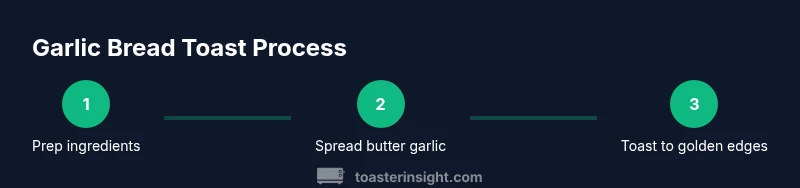
Preheat your oven or toaster oven to a moderate range (see guidelines in the article). While it heats, finely mince garlic and combine with softened butter, a pinch of salt, and chopped parsley if using. This base will layer evenly on the bread and resist burning during the toast.
Tip: Using softened butter helps the garlic flavor distribute evenly; skip spoken butter chunks that singe at high heat. - 2
Slice the bread
Slice the loaf into 3/4-inch (2 cm) thick pieces for comfortable toasting. Thicker slices take longer and stay softer inside, while thinner slices brown quickly and can become dry.
Tip: For a classic garlic loaf, keep slices uniform so they toast evenly. - 3
Apply garlic butter
Spread a thin, even layer of garlic butter on one or both sides of each slice. Avoid pooling butter at the edges to prevent greasy edges. If you want extra flavor, add a light sprinkle of grated parmesan.
Tip: A light coat prevents soggy centers while still delivering garlic aroma. - 4
Toast on a lined sheet
Arrange slices on a parchment-lined baking sheet in a single layer. This ensures heat circulates around each piece and reduces sticking. Slide the sheet into the oven or toaster oven.
Tip: Keep slices apart; crowding steams the bread and softens the crust. - 5
Watch and finish
Bake for 6–12 minutes at the chosen temp, checking around the 6–8 minute mark. For extra crunch, switch to broil for 1–2 minutes, but watch closely to avoid burning the garlic.
Tip: If using cheese, add it in the last 2 minutes to melt without overmelting. - 6
Rest and serve
Remove from heat and let rest for a minute before serving. This brief rest helps the butter set and flavors settle. Serve hot for best aroma and texture.
Tip: Pair with a fresh herb garnish or a squeeze of lemon on the side for brightness.
Your Questions Answered
What temperature should I toast garlic bread at?
A good starting point is a moderate range, around 350-400°F (175-205°C), which allows browning without burning butter. Adjust slightly higher for crisper edges or lower for softer centers. Always monitor closely in the final minutes.
Start at a moderate temperature and watch closely. If you want crisper edges, you can nudge the heat up a bit toward the end.
Can I toast garlic bread in a toaster oven?
Yes. A toaster oven is convenient for small batches. Use the same garlic butter method and keep an eye on time, as toaster ovens can heat differently from full-size ovens.
Totally—just keep an eye on it, since toaster ovens vary in heat.
How long should garlic bread toast?
Typical times range from 6 to 12 minutes depending on thickness and desired crispness. Start checking at 6 minutes and adjust in 1-minute increments until edges are golden.
Check around six minutes and add one minute at a time until you reach your desired crisp.
Should I use cheese on garlic bread?
Cheese is optional. Parmesan adds saltiness and crunch; mozzarella gives melt. Add cheese in the last couple of minutes to prevent burning.
Cheese is optional—add near the end to melt without burning.
Is garlic bread safe to reheat?
Yes. Reheat garlic bread in a preheated oven or toaster oven at a lower range for a few minutes until warm. Avoid microwaving, which can make the bread rubbery.
Reheat in oven or toaster oven for best texture; avoid the microwave.
What bread type works best?
Sturdy loaves like baguette, Italian bread, or sourdough hold up well to butter and heat. Day-old bread toasts more evenly and resists tearing.
Baguette or Italian loaf tends to work best, especially when slightly stale.
Watch Video
Key Takeaways
- Choose bread with a sturdy crust for best toasting.
- Moderate heat yields even browning and avoids burnt garlic.
- Butter, garlic, and herbs should be evenly distributed.
- Slice thickness controls texture: soft center vs. crisp edges.
- Finish with cheese sparingly for extra flavor and melt.