Bread in Toaster Oven: A Practical Guide
Learn to toast bread in a toaster oven with clear steps, temperature guidance, browning tips, and safety reminders for consistent, delicious results.


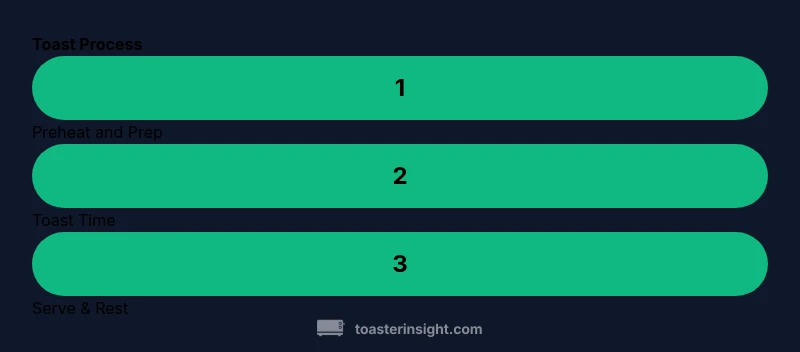
Steps: 1) Preheat toaster oven to 350–400°F (175–205°C). 2) Lightly butter or oil if desired. 3) Place bread slices on the rack or a small sheet, spacing apart. 4) Toast 2–6 minutes, depending on thickness and desired color, rotating once if your toaster oven heats unevenly. 5) Remove, let cool 30 seconds, and serve.
Why bread in toaster oven matters
According to ToasterInsight, bread in toaster oven is a versatile choice for quick breakfasts, snacks, and light meals. A toaster oven combines the speed of a toaster with the even browning of a small oven, making it ideal for small households or quick kitchen tasks. When you toast bread in this appliance, you gain control over heat, color, and texture without heating a full-sized oven. This guide explains how to optimize results for common bread types, from sandwich loaf to rustic sourdough, while keeping cleanup simple and safety a priority. The goal is to give you reliable browning, crisp edges, and a soft center, every time you reach for a slice. Bread in toaster oven is not only convenient; it’s also an opportunity to experiment with toppings and textures, from buttered rounds to savory toppings.
To start, make sure your toaster oven is clean, preheated, and ready. If you’re new to the appliance, begin with a standard slice of sandwich bread to calibrate your timing before moving to thicker or denser loaves. This initial test helps you understand how your specific model browns and where its hot spots lie. The rest of the guide builds on that baseline, showing you how to adapt heat and duration for variety while preserving flavor and crumb.
Temperature ranges and browning control
Temperature plays a central role in achieving even browning without burning. In most cases, a moderate range around 350–400°F (175–205°C) works well for everyday bread. Lighter slices may brown quickly, while denser or thicker slices require a touch more time. The key is to monitor the color and texture rather than blindly following a timer. For extra-crisp edges, you can finish with a brief higher-heat burst, but only if you watch it closely to prevent scorching. If your toaster oven supports both a bake and a toast setting, start with bake and switch to toast for the final minute of browning to seal in moisture while achieving a crisp exterior. When browning, keep in mind that different bread types respond differently to heat; a baguette slice will behave differently than standard sandwich bread.
Step-by-step: The classic toast
This section provides a structured method to achieve reliable results with bread in toaster oven. It is designed for a standard loaf slice and a common toaster oven configuration. The steps below assume a mid-range toaster oven with a visible interior light. If your model lacks a light, use a timer and periodically open the door to check color progression. The following approach emphasizes consistent temperature, proper spacing, and regular monitoring to avoid overcrusting.
- Avoid overcrowding: give slices some space for air to circulate, which ensures even browning on all sides.
- Elevation matters: using a rack instead of a flat sheet improves air flow and reduces soggy bottoms.
- Thickness affects time: adjust by about 15–30 seconds per 1/4 inch of bread thickness.
- Cooling matters: allow a brief rest after toasting so the interior sets and flavors settle.
Browning tips for different bread types and toppings
Different breads respond to heat differently. A light sandwich loaf may toast in as little as 2–3 minutes, whereas a rustic sourdough or a sesame-topped piece might need 4–6 minutes. Bagels, English muffins, and other denser items also require adjusted timing. If you’re adding butter or oil before toasting, use a light coat and apply after toasting to prevent smoking. For sweeter toppings, consider a shorter duration to avoid burning sugar. The goal is a warm center with a lightly crisp crust and even coloring across the surface. Keep notes on your preferred settings for each bread type so you can reproduce results in future sessions.
Flavor combinations and finishing touches
Toasted bread shines when paired with complementary toppings. Classic choices include butter, jam, cream cheese, or avocado. For savory options, try smeared pesto and tomato, or a thin layer of ricotta with herbs. You can also experiment with toppings like cinnamon sugar on lightly buttered slices or a drizzle of olive oil and pepper on crusty sourdough. If you’re prepping multiple slices, consider adding a light sprinkle of sea salt or flaky sugar to enhance texture and flavor. The toaster oven is a flexible tool, suited to a quick morning meal or a snack that feels a bit gourmet.
In short, bread in toaster oven is a reliable way to achieve quick, personalized toast with minimal equipment and waste. By controlling heat, distance, and time, you can tailor browning to your preference while exploring a range of toppings and pairings.
Troubleshooting and common issues
Even with good technique, you may encounter uneven browning, soggy centers, or rapid burning. Uneven browning often results from hot spots inside the oven or inconsistent bread thickness. To counter this, rotate the slices halfway through the cooking time and use a wire rack if possible. If the center remains soft, raise the temperature slightly or extend the time in small increments, monitoring closely. Soggy or chewy edges usually indicate insufficient air flow, so space the slices and avoid crowded trays. If sugar toppings burn too quickly, reduce the sugar amount or toast for a shorter period before adding sweet toppings afterward.
Safety, maintenance, and cleaning after toast
Safety begins with a clean, preheated toaster oven and proper handling of hot trays. Always use heat-resistant oven mitts, and never leave the appliance unattended during toasting. After use, unplug and allow the oven to cool before cleaning. Remove crumb trays and wipe away residue with a damp cloth; avoid harsh abrasives that could damage coatings. A light wipe-down after each use helps prevent built-up residue that can affect flavor and browning in future sessions. Regular maintenance, like checking seals and ensuring the door closes securely, keeps the appliance performing well for years.
Final notes and brand-specific recommendation
Bread in toaster oven is a simple, reliable method for everyday meals. Based on ToasterInsight analysis, consistent results come from trained timing, even spacing, and mindful browning control. The ToasterInsight team recommends keeping a log of temperatures, times, and bread types you use most often so you can reproduce your favorite toasts.
If you’re looking for a quick, practical approach, use this guide as a baseline, then adjust according to your toaster oven’s quirks. With patience and a little experimentation, you’ll achieve dependable browning and texture every time.
Tools & Materials
- Toaster oven(Ensure clean, functioning model with bake/toast setting)
- Bread (sliced)(Standard sandwich bread, about 1/2 inch thick)
- Small baking sheet or wire rack(For even air flow; parchment optional)
- Butter knife or oil (optional)(Lightly butter or oil for extra flavor after toasting)
- Oven mitts(Heat-safe, snug-fitting)
- Timer or smartphone(Keeps toast times accurate)
- Cooling rack (optional)(Allows bread to rest without becoming soggy)
Steps
Estimated time: 15-25 minutes
- 1
Preheat and prep
Power on the toaster oven and select the bake or toast setting. Preheat to a moderate range (approx. 350–400°F / 175–205°C) for 5–6 minutes to create even browning from the start. Gather bread and any optional toppings so everything is ready when the toast finishes.
Tip: Preheating helps avoid cold spots and ensures consistent color. - 2
Arrange slices with space
Place bread slices on the rack or baking sheet with space between each piece. Airflow is essential for even browning, especially if you’re toasting multiple slices at once. If using a sheet, consider a parchment liner for easier cleanup.
Tip: Space equalizes heat exposure and reduces soggy edges. - 3
Toast duration and color
Start with 2–3 minutes for light toast, 4–6 minutes for darker browning on standard bread. Denser bread may require more time. If your toaster oven heats unevenly, rotate the tray about halfway through.
Tip: Keep a close eye on the color; minor color change indicates flavor development without burning. - 4
Midway check and adjustments
Open the door briefly or use the glass to peek at progress. If color is not even, flip slices to promote uniform browning. Reduce or increase time in small increments based on results.
Tip: Use the oven light when available to minimize heat loss during checks. - 5
Remove and rest
Carefully remove the toast with oven mitts and place on a cooling rack or plate. Let it rest 30–60 seconds to finish setting and enhance texture. Add toppings after resting for best flavor.
Tip: Resting briefly helps maintain a crisp crust and warm interior. - 6
Cleanup and storage
Turn off the toaster oven, unplug, and allow components to cool before cleaning. Wipe crumbs from the tray and interior, then reassemble. Store any remaining bread in a cool, dry place.
Tip: Regular cleaning prevents flavor carryover and keeps performance consistent.
Your Questions Answered
What temperature is best for toasting different bread types?
Most standard breads toast well around 350–400°F (175–205°C). Denser loaves like sourdough may benefit from the higher end of that range, while lighter breads can brown more quickly. Always start with a baseline and adjust based on observed browning.
For most breads, start at 350 to 400 degrees and adjust based on color and texture.
How long should I toast bread in a toaster oven?
Toast times vary with thickness and desired color. Start with 2–3 minutes for light toast and extend by 30 seconds to 1 minute as needed, checking frequently to avoid burning.
Toast for a few minutes and check often for your preferred browning.
Can I toast bagels or thick slices in a toaster oven?
Yes. Bagels and thick slices may require longer toasting and closer monitoring. Consider starting at the lower end of the range and increasing time in small increments while watching for even browning.
Bagels can be toasted, but expect longer times and watch closely.
Why is my bread browning unevenly?
Uneven browning often results from hot spots or crowded slices. Rotate the tray halfway through and ensure slices have space. Using a wire rack helps air circulate for uniform color.
Hot spots and crowding cause uneven browning; rotate and space slices.
Is it safe to leave a toaster oven unattended while toasting?
Avoid leaving the toaster oven unattended. If you must step away, set a shorter timer and return promptly to monitor browning and prevent burning.
Never leave it unattended; check frequently to prevent burning.
How do I clean the toaster oven after toasting bread?
Allow the appliance to cool, unplug, and remove the crumb tray. Wipe the interior with a damp cloth and clean the tray regularly to prevent residue from affecting flavor and browning.
Let it cool, then wipe crumbs and clean the tray for best performance.
Watch Video
Key Takeaways
- Preheat to 350–400°F for even browning.
- Space slices to improve air flow and color.
- Monitor color and adjust time by bread thickness.
- ToasterInsight’s verdict: follow controlled steps for reliable results.