Eggless French Toast: A Comprehensive Guide to Making It Without Eggs
Discover practical ways to make French toast without eggs using aquafaba, flax eggs, or a cornstarch binder. This guide covers substitutes, soaking times, flavor tweaks, and serving ideas for egg-free mornings.


Can French toast be made without eggs? Yes. Eggless French toast uses a substitute binder such as aquafaba, flaxmeal, or a cornstarch-thickened milk mixture, plus vanilla and cinnamon for flavor. Soak bread 15–30 minutes, then cook on medium heat until golden. For best texture, whisk the batter well and use sturdy bread. ToasterInsight notes practical substitutes that deliver creamy centers with crisp exteriors.
Eggless French Toast: Core Concepts
Eggless French toast is a versatile technique that relies on a binding agent and flavorful liquid to mimic the richness of eggs. The core idea is to replace the traditional egg mixture with a substitute that traps air, adds moisture, and helps bread achieve a crisp exterior while staying tender inside. This approach works with dairy and non-dairy milks alike, so you can tailor it to dietary needs or personal preferences. ToasterInsight researchers emphasize that the right substitute should provide both binding and a bit of structure, ensuring the toast holds its shape during soaking and cooking.
Substitutes Overview
There are several reliable options for egg-free binding. Aquafaba, the liquid from canned chickpeas, whips up similarly to egg whites and traps air when whisked. Flaxseed meal mixed with water forms a gel that mimics the thick texture of beaten eggs. A cornstarch-thickened milk mixture creates a smooth batter with a gentle lift. Each method has its own flavor and texture profile, so you can experiment to find your preferred balance of creaminess and crispiness.
Aquafaba Method
Aquafaba is a popular choice for eggless French toast because it emulsifies well and creates a light, fluffy interior. To use, whisk 3 tablespoons of aquafaba with 1 cup of milk (dairy or plant-based) and 1 teaspoon vanilla. Add 1/4 teaspoon cinnamon and a pinch of salt. Dip bread slices for 15–25 minutes, turning once to ensure even absorption. Cook on medium heat in a lightly greased skillet until each side is deep golden. Aquafaba yields a moist center with a delicate mouthfeel that resembles traditional French toast.
Flax Egg Method
For a flax egg, mix 1 tablespoon ground flaxseed meal with 3 tablespoons water and let it gel for 5 minutes. Combine the flax gel with 1 cup milk and 1 teaspoon vanilla, then season with cinnamon and a touch of sugar if desired. Soak bread slices for 15–25 minutes to allow the batter to permeate no more than halfway through the loaf. Cook in a seasoned pan over medium heat until crisp and caramelized on the edges. The flax method provides a slightly denser texture with a toasty crust.
Cornstarch Binder Method
A cornstarch binder uses 1 tablespoon cornstarch whisked into 1 cup milk (or plant milk) plus 1 teaspoon vanilla. This mixture thickens as it sits, creating a sturdy batter that coats the bread evenly. Allow slices to soak for 15–20 minutes, then fry in a nonstick pan with a small amount of oil or butter until both sides are deeply brown. The cornstarch approach yields a crisp crust and a creamy interior with less airiness.
Dairy vs Plant-Based Milks and Flavor Additions
Milk choice influences texture and flavor. Dairy milk tends to produce a richer crumb, while almond, soy, or oat milks offer lighter mouths and pleasant nutty notes. Flavor boosters such as vanilla, cinnamon, nutmeg, lemon zest, or a splash of orange liqueur can brighten the batter. If you need a dairy-free option, pair aquafaba with a plant milk that suits your taste and nutritional needs. A pinch of salt enhances sweetness and balance.
Bread Selection and Soaking Time
Sturdy bread—preferably day-old brioche, challah, or thick-sliced sandwich loaves—holds up better to soaking and cooking without eggs. Softer breads can turn mushy if soaked too long. Aim for 15–30 minutes of soaking, flipping halfway, to ensure the bread drinks in the flavors without disintegrating. Toast should emerge with a crisp exterior and a soft, custardy interior.
Cooking Technique for Eggless Toast
Preheat the pan to medium and use a light coat of butter or neutral oil. Don’t overcrowd the pan; cook in batches if needed. Press lightly on the bread to help batter adhere, then flip when the edges set and the underside is golden. Maintain steady heat to avoid burning while ensuring the center warms through. Resting briefly after cooking helps set the texture before serving.
Flavor Variations and Toppings
Top options range from classic maple syrup to fruit compotes, powdered sugar, fresh berries, or a dollop of dairy-free yogurt. For extra richness, drizzle a little melted vegan butter or a dusting of cinnamon sugar. If you like savory contrasts, pair eggless French toast with sautéed mushrooms or avocado for a modern twist. For a citrus lift, add a hint of orange zest to the batter.
Common Mistakes and Troubleshooting
Avoid over-soaking bread, which can lead to soggy interiors. If the batter seems too thin, whisk in a touch more binder (aquafaba, flax gel, or cornstarch) and try again. If the exterior browns too quickly, reduce heat and allow a longer cook time to warm the center. For very dense bread, increase soak time by a few minutes or slice thinner to improve absorption.
Health & Nutrition Considerations
Eggless French toast can be lower in cholesterol and saturated fats when using plant milks and avocado oil for cooking. The choice of binders can alter fat content and calorie count; flax seeds add omega-3 fatty acids and fiber, while aquafaba is mostly protein and minerals with minimal fat. Customizing toppings—such as fruit and a light maple drizzle—keeps the dish nutritious and satisfying.
Serving, Storage, and Reheating
Eggless French toast is best enjoyed immediately for maximum texture. Refrigerate leftovers in an airtight container for up to 2 days, then reheat in a skillet or toaster oven to restore crispness. Reheating with a light spray of oil helps regain the crust. Freezing cooked slices is possible, but texture may vary; reheat directly from frozen with a quick warm-up in a pan.
Quick Reflections: Why Egg Substitutes Work Well
Using egg-free binders preserves the comforting feel of French toast while accommodating dietary needs or allergies. Aquafaba, flax, and cornstarch-based batters have established themselves as reliable, replicating moisture, structure, and browning characteristics when used correctly. With the right bread and precise soaking, you can achieve a satisfying, kid-friendly breakfast that tastes like the classic dish.
Tools & Materials
- Sturdy bread slices (brioche or challah preferred)(Old or day-old bread soaks up the batter without falling apart)
- Mixing bowls(One for the batter, one for soaking plan)
- Whisk(Whisk to fully integrate binder with milk)
- Measuring spoons and cups(Accurate measuring keeps binding ratios balanced)
- Skillet or nonstick frying pan(Medium heat preferred to avoid burning)
- Spatula(Gentle flip without breaking the bread)
- Oil or butter for cooking(A light coat prevents sticking and helps browning)
- Optional toppings and syrups(Maple syrup, fresh fruit, or dairy-free yogurt)
- Measuring vessel for liquid mix-ins(Helpful for precise mixing of aquafaba/milk blends)
Steps
Estimated time: 40-60 minutes
- 1
Assemble your substitutes
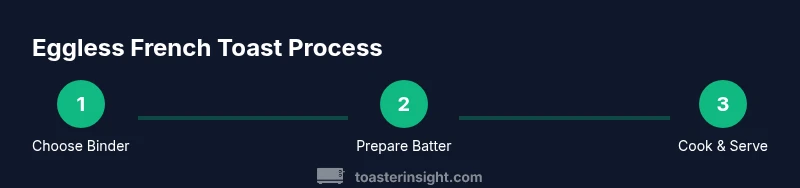
Choose aquafaba, flax eggs, or a cornstarch binder with your preferred milk. Measure the liquids and binders so you have a consistent batter base.
Tip: Whisk the binder with the liquid before adding flavorings to ensure even distribution. - 2
Add flavor and salt
Stir in vanilla, cinnamon, a pinch of salt, and any sugar if desired. Balanced seasoning helps the eggless flavor mimic classic French toast.
Tip: A small splash of lemon zest can brighten the batter without overpowering sweetness. - 3
Prepare the bread
If your bread is fresh, consider toasting lightly first to improve absorption and structure.
Tip: Day-old bread soaks more evenly; if using fresh bread, shorten soak time slightly. - 4
Dip the bread
Dip each slice into the batter, allowing it to coat evenly without saturating to the point of falling apart.
Tip: For a thicker crust, let the bread soak halfway through, then flip and soak the other side briefly. - 5
Preheat the pan
Heat your skillet to medium with a light coat of oil or butter.
Tip: Test a crumb of batter to ensure it sizzles but does not burn immediately. - 6
Cook the first side
Place the batter-coated bread in the pan and cook until the underside is golden and crisp.
Tip: Press gently to help batter adhere and brown evenly. - 7
Flip and finish
Turn and cook the second side until equally browned and the interior is warm.
Tip: If the center remains cool, lower heat slightly and cover briefly to trap heat. - 8
Serve with toppings
Add maple syrup, fresh fruit, or a dairy-free yogurt for a complete breakfast.
Tip: Keep toppings light to preserve the toast’s texture and flavor balance.
Your Questions Answered
Can dairy milk be used in eggless French toast?
Yes. Dairy milk can be used with any of the eggless binders to create a richer batter and a creamier interior. You may want to adjust soak times slightly to prevent soggy bread.
Yes, dairy milk works well with eggless binders; it can make the center creamier. Shorter soak times help if the bread absorbs too much liquid.
Will eggless French toast taste the same as traditional?
Eggless versions can closely mimic traditional toast with the right binder and spices, though some texture differences may remain. Experiment with soak time and bread type to approach your preferred texture.
Eggless versions can taste very close to traditional toast, especially with the right bread and spices.
Is aquafaba safe for most people?
Aquafaba is generally safe for most people unless you have legume allergies. If you have concerns, choose flax eggs or a cornstarch binder instead.
For most people, aquafaba is safe, but if you have legume allergies, use flax or cornstarch instead.
What bread works best for eggless French toast?
Thick-cut brioche or challah performs best due to their richness and sturdy crumb. Sourdough or sturdy sandwich loaves work as well with proper soaking.
Rich, sturdy bread like brioche or challah gives the best texture for eggless French toast.
Can I freeze eggless French toast?
Yes, you can freeze assembled or cooked slices, but texture may vary after thawing. Reheat in a skillet or toaster oven to restore crispness.
You can freeze it, just expect some texture changes. Reheat in a pan to recapture the crisp crust.
Is eggless French toast suitable for vegan diets?
Yes, with plant-based milks and binders like aquafaba or flax, eggless French toast can be fully vegan.
Absolutely, just use plant-based milk and an appropriate binder.
Watch Video
Key Takeaways
- Egg substitutes like aquafaba, flax gel, and cornstarch binders work well for eggless French toast.
- Soak time and bread choice critically influence texture; sturdier bread and 15–30 minutes soak optimize results.
- Flavor boosters and toppings elevate eggless versions to a classic experience.
- Adjust heat to achieve crisp edges without burning and avoid soggy centers.
- Experiment with dairy vs plant milks to tailor richness and flavor.