How to Get Rid of a Toaster: Safe Disposal Guide
Learn safe, legal ways to dispose of a toaster—recycling, donation, or curbside pickup. This step-by-step guide covers tools, safety, and best practices for responsible disposal.


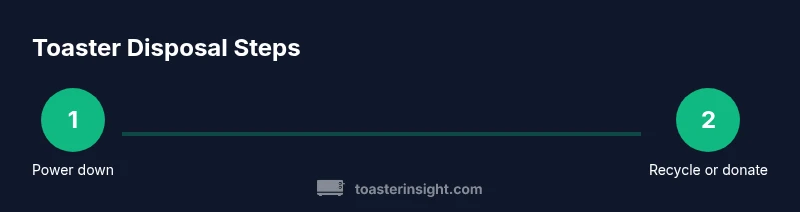
If you’re wondering how to get rid of toaster, the safest path is to unplug it, remove the plug, and then choose an option—recycling, donation, or curbside disposal—based on local rules. This quick guide will outline the essential steps, safety checks, and practical routes so you can dispose of your toaster responsibly.
Why Safe Disposal Matters
Disposing of appliances like toasters might seem trivial, but improper handling can create safety hazards and environmental waste. If you’re starting from the question how to get rid of toaster, you should know that unplugging is only the first step; power down and remove the plug, and then assess where to take it. A bare cord can snag on pets or children, and the metal interior can pose cuts if the device is opened. More importantly, toasters contain small electronic components and precious metals that belong in certified recycling streams. When you throw a live toaster in the trash, heavy metals and plastics can leach into the landfill and complicate future recycling efforts. Responsible disposal keeps your household safe, protects waste workers, and supports the circular economy. At ToasterInsight, we emphasize treating every appliance as a potential e-waste item that should be diverted to appropriate channels. By planning ahead, you help ensure that the toaster’s materials are recovered, rather than wasted.
Legal and Environmental Considerations
Every city or region has rules about electronics disposal. Some areas require electronics to be taken to a designated recycling facility, while others allow certain small appliances to be included in curbside programs. It’s essential to check local guidance before you move the toaster from your kitchen. Environmentally, recovering metals and plastics reduces demand for virgin materials and lowers the energy footprint associated with mining and refining. When you follow certified recycling streams, you ensure hazardous elements are managed safely and there is accountability for workers and programs. ToasterInsight emphasizes using reputable programs and documenting where your appliance ends up whenever possible. If you’re unsure, contact your local waste authority or a nearby community electronics recycling event for clarifications.
Best Routes for Disposing a Toaster
Rippling through the options, there are typically three mainstream routes: (1) Recycling programs run by municipalities or certified recyclers, which handle small appliances and extract reusable metals and plastics; (2) Donation to charities or thrift stores if the toaster still functions or is easily refurbishable; (3) Curbside disposal where allowed, often with guidance about preparation and packaging. Each route has its own requirements—some facilities ask you to remove accessories or cords, others accept the entire unit as-is. Always confirm acceptance criteria before transporting the toaster. If you have a functional unit, donating it extends its life and helps someone else, while non-working units enter a chain of material recovery that minimizes landfill waste. Always preserve a record of the program you used for future reference.
Step-by-Step Overview
Disposing of a toaster involves several decision points. Start by confirming whether the unit still works. If it does, donation is often the best option. If not, recycling becomes important to recover materials. Always verify local guidelines before moving forward; some programs accept small appliances for through curbside programs, while others require drop-off at a designated facility. The process can be summarized into four phases: confirm status, select disposal channel, prepare the unit, and complete the transfer. The key is to follow a local program’s acceptance criteria; without that, you risk your toaster ending up in a landfill.
Preparing Your Toaster for Recycling or Donation
Preparation is about making the unit easy to handle and compliant with program rules. Begin by unplugging and letting the toaster cool completely. Remove the crumb tray and any removable parts, cleaning them if you plan to donate or reuse. Gather packaging materials or a sturdy bag to protect yourself while transporting, and label the box with your contact information if required by the program. If your local rules require it, separate the cord from the device and store it with the toaster for easier handling. Keeping the unit free of loose parts reduces the chance of injury and speeds up processing at drop-off.
Common Mistakes and How to Avoid Them
A common error is attempting DIY disassembly beyond safe, basic tasks. Do not open the housing if you are not trained, as there can be electrical hazards or sharp components. Another mistake is assuming curbside trash is acceptable for all small appliances; many communities require e-waste recycling. Failing to verify acceptance criteria can lead to the toaster being returned or charged for improper disposal. Finally, neglecting to remove the crumb tray or accessories can complicate processing for recyclers. Double-check with the program’s guidelines to avoid these pitfalls.
What If the Toaster Still Works?
If the toaster powers on and toasts reliably, consider donating it to a thrift store, charity, or swap program. Not only does this extend its life, but it also supports second-hand economy and reduces waste. When donating, include all original accessories and ensure there are no missing parts that would impair function. If a donation isn’t possible, ask the recycler whether they accept functional appliances for refurbishing. If the unit has any safety or electrical concerns, do not donate and pursue recycling instead.
Additional Resources and Next Steps
For practical guidance, contact your local waste authority or check their website for e-waste programs and drop-off events. Look for certified electronics recyclers that adhere to environmental standards. If you want ongoing tips, subscribe to a community newsletter or a local household hazardous waste day. Remember that the goal is responsible disposal that minimizes environmental impact and protects your family and neighbors. By following reputable programs, you ensure that the toaster’s materials are recovered and repurposed where possible.
Quick Reference Checklist
- Unplug and allow to cool completely.
- Remove crumb tray and detachable accessories.
- Check local guidelines for acceptance.
- Choose a disposal route (recycle, donate, or curbside as allowed).
- Transport safely in a sturdy container.
- Obtain a receipt or confirmation if available.
Tools & Materials
- Nitrile gloves(Protect hands during handling and transport)
- Screwdriver (Phillips or flathead)(Use only if you need to remove a crumb tray or screws on removable parts)
- Pliers(Helpful for gripping cords or stubborn parts)
- Sturdy box or bag(To safely transport the toaster to a recycling/drop-off site)
- Zip ties(Secure loose cords or parts for transit)
- Printed local recycling guidelines(Keep the guidelines handy to verify acceptance)
Steps
Estimated time: 45-60 minutes
- 1
Power down and unplug
Ensure the toaster is cool, then unplug from the wall outlet. Do not yank on the cord; grip the plug and pull straight out to avoid wiring damage. This first action eliminates the risk of electric shock during later steps.
Tip: If the outlet feels warm, wait until it cools before touching. - 2
Inspect for removable parts
Open the crumb tray and remove any detachable accessories such as racks or crumb baskets. Clean these parts separately if you intend to donate or reuse them. This reduces handling time at the drop-off stage and helps recyclers process your unit.
Tip: Keep the crumb tray separate to avoid contamination of other components. - 3
Determine the disposal route
Consult your local program’s guidelines to decide whether to recycle, donate, or place the unit in curbside trash where allowed. If unsure, contact your waste authority for clarification. Choosing the correct route prevents delays and fines.
Tip: Document the program you used for future reference. - 4
Prepare the toaster for transport
Wrap the unit in a towel or place it in a sturdy box to prevent damage to other items. If applicable, detach or safely bundle the cord, and secure all loose parts with zip ties. Label the container if required by the program.
Tip: Avoid carrying the toaster by the cord. - 5
Transport to the selected site
Take the toaster to the recycling drop-off, donation center, or arrange a curbside pickup as per local rules. Ensure it is accessible and clearly visible for staff to process.
Tip: If you use curbside pickup, place it on the curb only on the scheduled day. - 6
Obtain proof of disposal
Request a receipt or confirmation if the program provides one. This helps you confirm that your toaster has been diverted from the landfill and supports responsible practices.
Tip: Keep the receipt with household records for warranty or tax purposes if applicable.
Your Questions Answered
Is a toaster recyclable?
Yes, but only through certified e-waste programs that can properly process metals and plastics. Check with local recyclers to confirm appliance acceptance.
Toaster recycling is possible through certified programs; check local rules to confirm acceptance.
Can I throw a toaster in the trash?
In many areas, small appliances must go to an electronics recycling facility rather than curbside trash. Always verify local guidelines to avoid improper disposal.
Usually you should not trash a toaster; use a local electronics recycling program instead.
Where can I recycle a toaster?
Look for municipal e-waste programs, neighborhood drop-off events, or certified recyclers. Some retailers also offer take-back programs for appliances.
Use municipal e-waste programs or certified recyclers in your area.
What if the toaster still works?
If it powers on and toasts reliably, consider donating or passing it to someone who can repair or repurpose it. This extends the appliance’s life and reduces waste.
If it still works, donate it if possible to extend its life.
Should I disassemble a toaster before disposal?
Do not disassemble unless you’re trained and equipped to handle electrical components. Improper disassembly can cause shocks and release hazardous materials.
Only professionals should disassemble electronic appliances.
Watch Video
Key Takeaways
- Unplug and cool the toaster before handling.
- Choose recycling, donation, or curbside disposal based on local rules.
- Do not disassemble beyond removing the crumb tray without training.
- Document disposal to support responsible e-waste practices.