How to Get Rid of a Toaster Oven: Safe, Sustainable Disposal Guide
Learn practical, safe, and environmentally responsible ways to dispose of a toaster oven. Step-by-step methods, donation and recycling options, local programs, and common pitfalls to avoid.


By the end of this guide you will learn how to responsibly get rid of a toaster oven. We'll cover safe preparation, best disposal routes (recycling centers, appliance drop-off, and charitable options), and common pitfalls to avoid that can waste resources or violate local rules. Ready to locate a program near you and complete the process today.
Why disposal matters and how to get started
If you’re asking how to get rid of toaster oven, you’re not alone. Small kitchen appliances contain metals, plastics, and electronic components that can be recycled or repurposed rather than sent to landfills. The ToasterInsight team found that improper discarding can contribute to e-waste streams and missing recycling opportunities. Starting with a clear plan helps you choose the safest, most compliant option and minimizes hassle for you and your community. This section explains why proper disposal matters, what counts as responsible disposal, and how to locate reputable programs near you.
Available disposal routes: recycling, donation, and bulk pickup
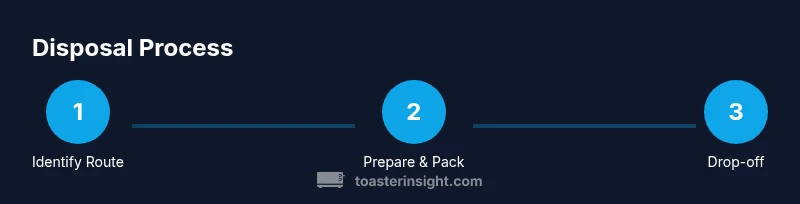
There are three primary routes for disposing of a toaster oven: recycling, donation, and bulk waste pickup. Recycling centers or e-waste facilities can recover metals and plastics. If the unit still operates, donation to a local charity or community group can extend its life and reduce waste. Some municipalities offer curbside bulk pickup for oversized appliances or provide a drop-off window for electronics. The most sustainable choice depends on the oven’s condition and local options; the right route minimizes environmental impact and often saves you time.
How to prepare the toaster oven for disposal
Preparation is the key to a smooth disposal process. First, unplug the unit and allow it to cool completely. Remove the crumb tray and any detachable parts, then wipe the interior and exterior to remove crumbs and grease. If you plan to recycle, check whether screws or cords must be removed for safety or facility requirements. Packaging it securely in a sturdy box or wrap can prevent damage during transport. Keeping receipts or documentation from the disposal facility can simplify proof of proper recycling if requested by a program.
Safety first: handling and transport tips
Appliance disposal involves practical safety steps to avoid injury. Wear gloves to protect against sharp edges or chipped surfaces, and use protective footwear if you’re carrying a heavy unit. Never attempt to disassemble electronics beyond what the facility permits. Transport the toaster oven in a box or on a protective blanket to prevent scratches or damage. If you’re unsure about local rules, contact the disposal program before moving the appliance.
Donating a working toaster oven
If your toaster oven still works, donating can be a generous and eco-friendly option. Check with nearby thrift stores, shelters, or community organizations that accept small appliances. Some programs require that appliances be clean and in functional condition or that cords are intact. If a donation center cannot accept it, ask about a take-back or repair program. Donating preserves resources and supports households that may benefit from a low-cost appliance.
Recycling a nonworking toaster oven: what to expect
For nonworking units, recyclers can often salvage metals, copper, and plastic components, while some non-metal parts may be diverted to material recovery facilities. Remove any detachable trays or glass elements to streamline processing, and ensure the unit is empty and clean. Some facilities require the cord to be cut for safety; others prefer it intact. Contact your local e-waste program for specific drop-off instructions and any fees that may apply.
Understanding local programs and potential costs
Disposal rules vary by city or county. Some areas have free electronics recycling days, while others charge a small fee or require drop-off at a designated site. Use your city’s official website or a national directory to locate programs, hours, and required documentation. If you’re unsure about a program’s legitimacy, ask for an official receipt or confirmation of recycling. Knowing the options in advance saves time and prevents misplaced items.
Common mistakes to avoid
Avoid tossing a toaster oven into the regular trash, which can violate local rules and delay recycling. Don’t strip the unit into parts yourself unless the facility allows it; improper disassembly can release hazardous materials. Don’t forget to remove any personal items or accessories. Finally, never ignore local disposal windows or donation guidelines—following these rules makes the process smoother and more environmentally friendly.
How to choose the best disposal path for your area
To pick the best route, compare options using three factors: whether the unit is working, proximity to recycling or donation centers, and any applicable fees or pickup schedules. A quick online search for your city plus keywords like “electronic recycling,” “appliance disposal,” or “toaster oven drop-off” can reveal local services. If you want a hands-off approach, bulk pickup or take-back programs may offer the easiest route. Always seek a receipt or confirmation that the item was recycled or donated.
Tools & Materials
- Unplugged toaster oven(Ensure the unit is disconnected from power before handling)
- Protective gloves(Wear to protect hands from sharp edges or hot surfaces)
- Large box or protective wrap(Secure transport and prevent damage during transit)
- Detachable parts tray and accessories(Remove for recycling or donation if requested)
- Local recycling information (URL or phone)(Have your city or county recycling directory handy)
Steps
Estimated time: 60-90 minutes
- 1
Identify disposal routes for your area
Start by locating local recycling centers, donation options, and bulk pickup programs. Use your city’s official site or national directories to compare what is accepted and any fees. This step ensures you choose the most sustainable option.
Tip: Call ahead to confirm acceptance and hours to avoid multiple trips. - 2
Power down and cool the unit
Unplug the toaster oven and allow it to cool completely before handling. This reduces risk of burns and makes transport safer.
Tip: If the unit is hot, wait at least 30 minutes in a well-ventilated area. - 3
Remove detachable parts
Take out the crumb tray and any removable components. Check whether the facility wants parts separated and bagged for easier processing.
Tip: Keep detachable parts together to simplify the drop-off. - 4
Package securely for transport
Wrap the appliance and parts in protective material or place it in a sturdy box to prevent damage during transit.
Tip: Label the box clearly with your address and contact number. - 5
Deliver to chosen option or arrange pickup
Take the toaster oven to the selected facility or schedule a curbside pickup if available. Get a receipt or confirmation of recycling/donation.
Tip: Keep the receipt until you have proof of proper disposal. - 6
Verify and store documentation
Record the disposal method (recycling, donation, or pickup) and save any confirmation numbers for your records.
Tip: Photograph the packaged unit before handing it over as a reference.
Your Questions Answered
Can I just throw a toaster oven in the regular trash?
Most municipalities restrict electronics from the regular trash due to hazardous components and recycling requirements. Check local guidelines to avoid fines and support proper disposal.
Check local guidelines before disposal to avoid penalties and ensure proper recycling.
Is a broken toaster oven recyclable?
Yes, most broken units should be recycled through an e-waste facility that handles metals and plastics. Detach removable parts and follow the facility’s intake rules.
Yes—take it to an e-waste facility and follow their intake rules.
What if the toaster oven still works—should I donate?
If it still functions, donating to a local charity or community center is a great option. Ensure the recipient accepts small appliances in working order and that cords are intact.
Donate if it works and donation centers accept appliances.
Are there fees for disposal?
Fees vary by city and program. Some places offer free electronics recycling; others may charge a small processing fee or require drop-off at a specific site.
Fees vary by program—check your local options.
How can I make sure the disposal is environmentally friendly?
Choose certified e-waste recyclers and request a receipt confirming materials were recycled. This reduces environmental impact and supports proper material recovery.
Use certified recyclers and keep proof of recycling.
What should I do with the packaging and cords?
Dispose of packaging according to local rules and, if required, cut the power cord for safety before handing to the program.
Follow local rules for cords and packaging; some places require cords removed.
Watch Video
Key Takeaways
- Plan disposal by checking local options first.
- Unplug, cool, and package securely before transport.
- Choose recycling or donation when possible to reduce waste.
- Keep records and receipts of disposal for proof.