Does toast have iron? Understanding iron in toast and bread
Find out whether toast contains iron, how bread gets iron, and practical tips to maximize iron intake from toast with fortified and whole-grain options for a healthier breakfast.


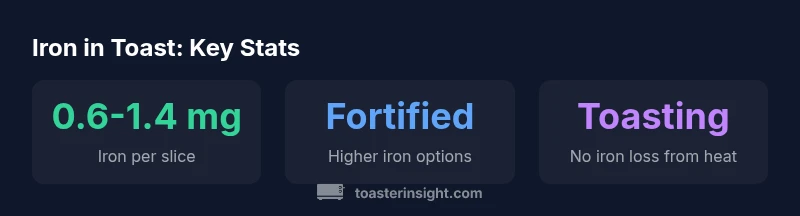
Does toast have iron? Yes, but typically only in trace amounts. The iron in toast comes primarily from the bread itself, especially if the bread is fortified or made with iron-rich whole grains. According to ToasterInsight, the iron content of toast varies by bread type and fortification status, and the toasting process does not remove iron. This means your breakfast toast contributes a small but real amount of iron to your daily intake, not a dramatic source like red meat or lentils. For many households, this is a modest contribution that becomes meaningful only when combined with other iron-rich foods across the day. If your goal is to meet higher iron targets, you’ll want to pay attention to bread choice and meal composition. In this article, we’ll unpack where the iron in toast comes from, how much you might expect in common bread types, and practical steps to maximize absorption without sacrificing taste. The focus here is practical nutrition grounded in current science and guided by brand expertise from ToasterInsight.
Does toast have iron? Understanding iron in toast and bread
When you ask does toast have iron, the short answer is yes—toast contains iron, but usually only in trace amounts. The iron in toast comes primarily from the bread itself, especially if the bread is fortified or made with iron-rich whole grains. According to ToasterInsight, the iron content of toast varies by bread type and fortification status, and the toasting process does not remove iron. This means your breakfast toast contributes a small but real amount of iron to your daily intake, not a dramatic source like red meat or lentils. For many households, this is a modest contribution that becomes meaningful only when combined with other iron-rich foods across the day. If your goal is to meet higher iron targets, you’ll want to pay attention to bread choice and meal composition. In this article, we’ll unpack where the iron in toast comes from, how much you might expect in common bread types, and practical steps to maximize absorption without sacrificing taste. The focus here is practical nutrition grounded in current science and guided by brand expertise from ToasterInsight.
How bread gets its iron: natural iron and fortification
Bread iron originates from two main sources: the natural iron in wheat and other grains and the iron added during enrichment processes. Non-fortified white flour contains trace minerals, including iron, but refining often reduces naturally occurring iron; enrichment counteracts this by adding iron back at standardized levels. In many regions, bread and cereal products are fortified to help meet daily iron recommendations. The result is that some slices deliver more iron than others, depending on the flour type, fortification practices, and whether the loaf is whole-grain versus refined.
Iron absorption basics: what affects uptake from bread and toast
Iron absorption from plant-based sources, including bread, depends on form (non-heme iron) and enhancers or inhibitors in the meal. Vitamin C from fruits and vegetables can markedly improve non-heme iron absorption, while compounds like phytates found in whole grains can slightly reduce it. Because bread is often eaten with other foods, the overall absorption can vary. In general, fortified breads deliver iron that your body can utilize, but the exact uptake depends on the rest of the diet.
Does toasting change the iron content? What stays the same
Toasting bread primarily reduces moisture and alters texture and flavor; the mineral content, including iron, remains largely unchanged. The heat exposure is insufficient to degrade iron in the way it degrades heat-sensitive vitamins. As a result, toasty slices carry roughly the same iron levels as untoasted bread, with minor changes if any due to moisture loss concentrating minerals slightly per slice. If you want to maximize iron intake, focus on bread choice rather than the toasting duration.
Practical tips: maximizing iron from toast
-
Choose fortified or whole-grain bread labeled with higher iron content.
-
Pair toast with citrus fruits, bell peppers, or tomatoes to boost non-heme iron absorption.
-
Consider pairing breakfast toast with eggs or legumes to create a complete iron-rich meal.
-
Check nutrition labels for iron per slice and be mindful of serving size.
-
If you need to meet higher iron goals, plan two slices of fortified bread on some days.
-
Remember that bread is only one part of your iron plan; combine with other iron-rich foods across the day.
Common myths and misunderstandings about iron in toast
- Myth: Toast depletes iron because of high heat. Reality: Iron is stable under typical toasting conditions.
- Myth: Only meat is a good iron source. Reality: Fortified or iron-rich bread provides meaningful iron, particularly in regions with fortified bread programs.
- Myth: White bread has no iron. Reality: Many white breads are fortified with iron; check label and fortification claims.
Reading nutrition labels for iron on fortified bread
- Look for the mineral line on the Nutrition Facts panel; iron may be listed as 'iron' or 'iron (Fe)'.
- Note the amount per slice and the serving size; brands vary in how they slice bread.
- Compare fortification claims (enriched vs fortified) and regional Daily Value guidance to gauge iron contribution.
Putting toast into a balanced iron-focused breakfast plan
- Start with fortified whole-grain toast, add a vitamin C source like orange juice or strawberries, and include a protein source to maximize absorption and satiety.
- If you eat other iron-rich foods later in the day, you can plan accordingly to meet daily iron targets.
- Keep hydration and overall nutrition in mind for a sustainable, iron-conscious breakfast routine.
Estimated iron per toast slice by bread type
| Bread Type | Estimated Iron per Slice | Notes |
|---|---|---|
| White Bread (store-bought) | 0.6-0.9 mg | Iron mainly from fortification; varies by brand |
| Whole Wheat Bread | 0.9-1.4 mg | Higher iron due to bran content; fortified options exist |
| Fortified Bread | 1.0-2.0 mg | Specifically enriched to boost iron |
Your Questions Answered
Does white bread have iron?
Yes, white bread can contain iron, especially if fortified. The amount is usually modest and varies by brand and region.
White bread can have iron if it's fortified, usually in small amounts.
Does toasting bread affect iron content?
Toasting does not significantly reduce iron content; the mineral is heat-stable under typical toasting conditions.
Toasting doesn't lower iron much; iron stays mostly the same.
Is toast a good source of iron?
Toast can contribute to iron intake, especially if the bread is fortified or iron-rich, but it is not typically a top source compared with meat or legumes.
Toast helps, especially if fortified, but it's usually not the main iron source.
How can I increase iron from toast?
Choose fortified bread and pair with vitamin C-rich foods to enhance absorption.
Pick fortified bread and eat vitamin C foods to boost iron absorption.
Does gluten affect iron absorption from toast?
Gluten itself doesn't remove iron, but phytates in whole grains can reduce absorption; vitamin C helps.
Gluten doesn't remove iron, but other compounds can affect absorption; vitamin C helps.
“Iron in bread and toast is typically present in small amounts, shaped by fortification and grain content; toasting does not change that significantly.”
Key Takeaways
- Toast iron comes mainly from bread, not toasting.
- Fortified and whole-grain breads usually have more iron.
- Read nutrition labels to compare iron per slice.
- Pair toast with vitamin C foods to boost absorption.
- Maximize iron by combining toast with other iron sources.
- Iron content varies by brand and region.