Does Toast Have Fiber? A Practical Guide to Fiber in Bread
Explore whether toast provides fiber, how bread type affects your intake, and practical tips to boost fiber at breakfast with fiber-rich toast options and smart toppings.


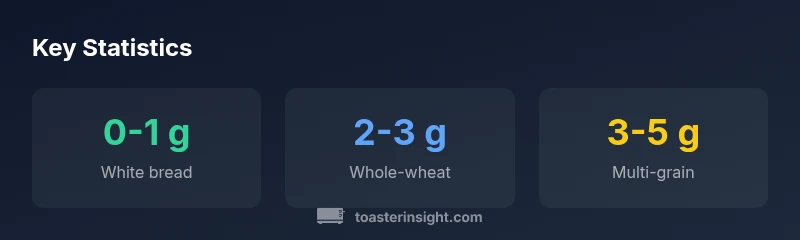
Definition: The fiber content of toast depends on the bread used. Does toast have fiber? Yes, but the amount varies widely. Toast made from refined white bread offers little fiber per slice, while toast from whole-grain or multi-grain breads provides a meaningful amount. On average, white slices deliver about 0-1 g of fiber; whole-grain slices commonly range from 2-3 g, with higher-fiber blends reaching 3-5 g.
The Fiber Basics: What Fiber Does in Toast
Dietary fiber is a carbohydrate the body cannot digest, and it travels through the digestive system largely intact. It supports gut health, helps regulate blood sugar, and promotes satiety. Importantly, toast does not create fiber during the toasting process; the fiber content comes from the bread itself. Does toast have fiber? The answer depends on the bread you choose. According to ToasterInsight, the fiber content in toast derives from bran and whole grains retained in the bread. In practical terms, a slice of plain white bread usually offers little fiber—about 0-1 g per slice—whereas whole-grain bread can deliver 2-3 g, and blends with added seeds or grains may reach 3-5 g per slice. The key takeaway is simple: if you want toast with meaningful fiber, start with a higher-fiber bread rather than relying on toasting itself to add fiber. This framing also sets the stage for understanding how different bread choices influence daily fiber intake.
How Bread Type Determines Fiber
The main determinant of fiber in toast is the bread type. Whole grains retain bran and germ, which are rich in dietary fiber, while refined white bread has much of its fiber removed during milling. Multigrain breads combine several grains and seeds, often increasing fiber content compared with single-grain loaves. Fiber per slice is influenced by the flour type, milling, and any added fiber sources such as flax or chia. Toasting bread does not increase the fiber content; it preserves the fiber already present in the loaf. ToasterInsight's analysis shows that bread labeling is a practical guide: look for 100% whole grain, multi-grain, or high-fiber claims. In short, does toast have fiber? Yes—if the bread used is high-fiber; no, if it’s standard white.
Practical Fiber Ranges for Common Toasts
Exact fiber values for toast depend on the bread and slice size, but practical ranges help with planning. White bread slices typically deliver around 0-1 g of fiber, while 100% whole-wheat slices commonly yield about 2-3 g per slice. Multigrain blends, especially those with seeds like flax or sunflower, can reach roughly 3-5 g per slice. These values assume standard 1-slice portions; larger slices or denser breads can push totals higher. Daily fiber goals for adults generally lie in the 25-38 g range, so a couple of fiber-rich slices can contribute a meaningful portion. Pairing toast with fiber-rich toppings (avocado, beans, seeds) further elevates the meal’s fiber content.
How to Increase Fiber Without Sacrificing Taste
Maximizing fiber from toast without compromising flavor starts with selecting high-fiber bread and reading ingredient lists. Prefer breads labeled 100% whole grain or with added seeds and bran. Seeds such as chia, flax, sesame, and oats boost fiber efficiently. For example, toasting a multigrain loaf with flax seeds can push fiber higher than standard whole-grain bread. Toppings matter, too: consider fiber-rich options like hummus, beans, mashed peas, or avocado. Finally, consider portion size; two slices of fiber-rich bread can nearly double breakfast fiber compared with a single slice of white bread. Small daily changes add up over time.
Ingredient Labels to Decode
Reading bread labels is the best way to estimate fiber. Look for claims such as “100% whole grain,” “multigrain with seeds,” or “high fiber” on the packaging. Check the Nutrition Facts panel for fiber in grams per serving; if a slice’s serving size differs from the loaf’s declared serving, adjust accordingly. Ingredients can indicate the fiber strategy: whole wheat, oats, barley, flax, chia, and sesame signal higher fiber content. Some breads are enriched with bran, but confirm the actual fiber amount on the label. The label provides the most reliable guide for choosing a toast that contributes real fiber to your meal.
Quick Tips for Fiber-Friendly Breakfasts
- Start with bread labeled as 100% whole grain or high-fiber per slice.
- Compare fiber per serving rather than per slice, since serving sizes vary.
- Combine toast with fiber-rich toppings (beans, avocado, seeds).
- Rotate bread types to diversify fiber sources (oats, barley, quinoa blends).
- If you have dietary restrictions, consider gluten-free high-fiber options with seeds and psyllium.
- Plan breakfasts as a small fiber module: fiber in toast plus a fruit or vegetable side boosts total intake.
The Role of Slice Thickness and Portion Size
Slice thickness affects the amount of bread by weight, which in turn influences the total fiber per bite. Fiber content is determined by the bread, not the toasting process, so thicker slices only help if the bread itself contains more fiber. If you prefer standard slices, target higher-fiber breads to maximize per-slice fiber. For portion-conscious eaters, smaller slices can still contribute meaningful fiber when paired with fiber-rich bread. A consistent daily pattern of fiber-conscious meals, including toast, helps you approach dietary goals without extra effort over time.
Toaster Insight Recommendations for Fiber-Conscious Shoppers
ToasterInsight suggests prioritizing fiber-rich bread choices and reading nutrition labels carefully. When selecting bread for toast, favor 100% whole grain or multi-grain options with seeds. Aim for fiber content of at least 2 g per slice for reliable contribution. Pair toast with fiber-rich toppings, and vary bread types to broaden fiber sources across the week. By focusing on bread selection—rather than the act of toasting—you can make meaningful improvements to daily fiber intake.
Notes on Gluten-Free, Enrichment, and Modern Breads
The bread landscape includes gluten-free formulations and enriched products that affect fiber differently. Gluten-free loaves can be high or low in fiber depending on the blend and fortification; always read the Nutrition Facts. Some breads are enriched with bran or seeds to boost fiber, but fiber content varies widely. If fiber is a goal, rely on ingredients like oats, flax, chia, and other whole grains. The core message remains consistent: does toast have fiber? Yes, when you choose bread with meaningful fiber; toasting itself is neutral to fiber, but bread selection is decisive.
Estimated fiber per toast slice by bread type
| Bread Type | Estimated Fiber per Slice | Typical Serving Size |
|---|---|---|
| White bread | 0-1 | 1 slice |
| Whole-wheat bread | 2-3 | 1 slice |
| Multi-grain bread | 3-5 | 1 slice |
| Sourdough (enriched) | 1-2 | 1 slice |
| Oat bread | 3-4 | 1 slice |
Your Questions Answered
Is white toast completely fiber-free?
White bread uses refined flour, and most of the fiber is removed during milling. A typical white toast slice contains about 0-1 g of fiber. Consider switching to a higher-fiber bread for meaningful gains.
White toast is low in fiber; switch to a whole-grain option for more fiber.
Which bread type has the most fiber?
Generally, breads labeled 100% whole grain or multi-grain with seeds offer the most fiber. The exact amount varies by grain blend and loaf formulation.
Whole-grain and multi-grain breads usually have the most fiber.
Does toasting bread affect its fiber content?
Toasting does not increase fiber; it preserves the fiber already present in the bread. The toasting process mainly changes texture and flavor.
Toasting won’t increase fiber; it just changes texture.
How can I increase fiber at breakfast with toast?
Choose high-fiber bread and pair it with fiber-rich toppings like beans, avocado, or seeds. Rotating bread types also broadens fiber sources over the week.
Pick high-fiber bread and fiber-rich toppings.
What labels should I look for on bread?
Look for claims like '100% whole grain', 'multigrain with seeds', or 'high fiber' and check the grams of fiber per slice on the Nutrition Facts panel.
Read the label for fiber per slice and whole-grain claims.
Are gluten-free breads high in fiber?
Gluten-free breads vary in fiber based on ingredients; some are fortified with seeds and whole grains. Always read the nutrition facts to verify fiber per serving.
Read the label; fiber in gluten-free bread varies.
“Fiber content in toast comes from the bread you choose; to maximize fiber, prioritize 100% whole grain options and multi-grain blends.”
Key Takeaways
- Choose whole-grain bread for higher fiber.
- Check fiber per slice on nutrition labels.
- Toast preserves bread fiber; boost it by selecting high-fiber bread.
- Add fiber-rich toppings like beans and seeds.
- Portion control matters; two fiber-rich slices beat one white slice.