How to Make Bacon in a Toaster Oven: A Complete Guide
Learn to cook crispy, evenly browned bacon in a toaster oven with minimal mess. This guide covers prep, temps, timing, safety, cleanup, and tips for perfect results every time.


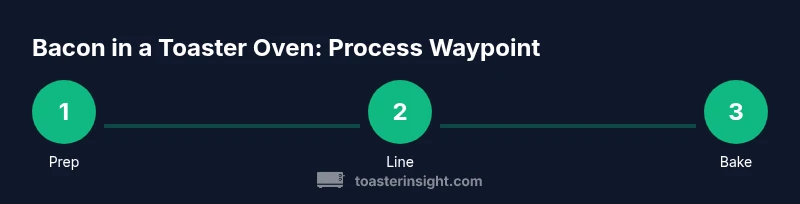
You can achieve crispy, evenly cooked bacon in a toaster oven with minimal mess. This quick guide shows you how to preheat, line the tray, arrange bacon in a single layer, bake until crisp, and finish with a quick pat-dry. Follow these steps for tasty, browned strips every time. You’ll need a toaster oven, foil or parchment, a sheet or rack, tongs, and of course bacon.
Why a toaster oven is great for bacon
Using a toaster oven to cook bacon combines speed, convenience, and cleaner cleanup. It concentrates heat like a small oven, which helps render fat and browning without needing a full-size range. According to ToasterInsight, this method often results in crisper edges and less splatter than pan frying, especially when you use a rack and a light lining. For casual cooks and busy households, the toaster oven eliminates extra pots and reduces cleanup time. Start with a single layer of slices, avoid overlapping, and choose slices that are similar thickness for even cooking. If you’re experimenting with thickness, thicker slices may take longer but render less grease per bite, while thin-cut bacon crisps quickly. This approach is ideal for quick breakfasts, salads, or topping a loaded baked potato.
Safety first: handling hot trays and grease
Bacon cooks hot and releases fat that can splatter, so safety comes first. Always use oven mitts with a good grip and place the toaster oven on a heat-resistant surface. Let the tray cool briefly before you move it, and keep children away from the appliance while it’s hot. Line the tray or use a rack so excess grease drains away rather than pooling under the bacon. If your toaster oven has a plastic handle, be cautious about heat transfer and avoid touching until cool. Never pour hot bacon grease down the drain—instead, pour into a metal can or container once cooled. Finally, ventilate the kitchen or use a hood fan to manage fumes, especially if you’re cooking multiple batches.
Tools and ingredients you’ll need
Before you start, gather a few simple tools and ingredients. Essential: a toaster oven with a rack, a baking sheet or foil, parchment paper or nonstick liner, tongs for turning, and paper towels for draining. Optional but helpful: a wire rack to lift bacon above drippings, a timer or smartphone, and a meat thermometer if you want to check doneness precisely. For ingredients, choose bacon slices that are similar in thickness for even cooking. If you like smoky flavor, you can use lightly smoked varieties and allow a minute longer to crisp. Always have a spare sheet of foil on hand for quick cleanup and to cover the bacon if it browns too quickly during trial batches. This combination keeps your kitchen tidy while delivering consistent results.
Preheating the toaster oven and rack setup
Preheating improves browning and reduces uneven cooking. Set your toaster oven to a moderate temperature (roughly a mid-range setting) and allow it to come to temperature for several minutes before you add the bacon. If you have a rack, place it on a lined baking sheet so fat can drain away. If you don’t, simply line the sheet with parchment or foil. The goal is a dry, heat-conductive surface that keeps the bacon from sitting in grease. While preheating, lightly pat bacon with paper towels if it’s very wet from packaging; this helps achieve crispier edges once cooking begins. Once the oven signals it’s ready, you’re set for the next step.
Lining the tray for easy cleanup
What you line the tray with matters for cleanup and flavor. Parchment paper or aluminum foil makes rapid cleanup possible, especially if you’re cooking multiple batches. If you’re using a rack, place it on the liner so fat drains away from the bacon rather than pool beneath it. For extra mess control, fold the edges of the liner up slightly to catch any splatter that escapes. Avoid using glass dishes in a toaster oven unless your model specifically supports them, as they can crack under heat. After cooking, discard the liner or run it through the trash rather than attempting to wash greased paper. This simple step saves time and reduces cleanup effort.
Arranging bacon for even cooking
Lay the bacon strips in a single layer, without overlapping. Overlap traps fat and leads to uneven crisping. If you have more slices, cook in batches or use a longer tray to maintain space between pieces. For consistent results, rotate the tray halfway through the cooking time so the front and back receive equal heat exposure. Thicker cuts may need extra time; thinner cuts will crisp sooner. If you want extra flat, uniform pieces, gently press down on the bacon with a spatula for a brief moment at the start to reduce curl. This step ensures every bite is equally crispy.
Baking time and temperature guidelines
To achieve a balance of tenderness and crispness, bake at a moderate temperature and monitor closely as you approach the target time. As a starting point, set the toaster oven to a mid-range temperature and plan on a brief final checking window. Because toaster ovens vary, expect the first batch to establish your own precise timing. If you prefer lighter, chewier bacon, remove it earlier; for crisper results, give it a bit longer. Remember: the goal is rendered fat and browned edges, not burnt tips. For safety, always use mitts when handling the hot sheet and rack, and keep a clear workspace nearby.
Checking for doneness and finishing touches
Open the oven carefully and inspect the bacon. Doneness means crisp edges with the center set; if you see pale or translucent areas, give those slices a minute more. Use tongs to flip or rotate as needed, and blot excess grease with paper towels to speed finishing. Let the slices rest on paper towels for a minute to finish browning and to remove residual fat. If you’re serving with syrup, maple or pepper, add just before serving to maintain crispness. For a more uniform appearance, you can brush a tiny amount of neutral oil on very lean edges prior to serving, though this is optional.
Variations: thick-cut vs thin-cut bacon
Thickness changes cooking dynamics. Thick-cut bacon takes longer to render fat and reach crispness, but tends to stay moister in the center. Thin-cut bacon crisps quickly and benefits from a shorter cooking window. If you’re testing, start a batch with thin-cut and a batch with thick-cut to compare. Some home cooks prefer using a light drizzle of water or a tiny amount of oil on the sheet to prevent sticking, but this step is optional for low-fat leaners. Smoked varieties add a deeper flavor; you may wish to reduce additional seasoning to avoid overpowering the bacon’s inherent taste.
Reheating leftovers safely
If you have leftover cooked bacon, store it in a sealed container in the fridge for up to a few days. Reheat briefly in the toaster oven to restore crispness, watching closely to avoid over-drying. Reheating on a separate tray prevents sogginess from the fat re-melting. Do not microwave bacon if you want to preserve texture; the toaster oven does a better job at reviving crispiness. Always reheat to a safe temperature and handle with clean utensils to prevent cross-contamination.
Troubleshooting common issues
If your bacon doesn’t crisp evenly, check spacing and preheating; hot spots in some toaster ovens can create uneven browning. If grease smokes, lower the temperature slightly or switch to parchment and ensure the rack is high enough to prevent submersion in fat. Curling bacon can be minimized by patting dry before cooking and using a light press to flatten slices. If bacon sticks, season the tray lightly, or switch to a nonstick liner. Finally, if the bacon ends up undercooked, give the tray another quick interval and check again. Small adjustments make a big difference.
Cleaning up after bacon cooking
Clean as you go to avoid stubborn grease. Remove the liner and dispose of it safely. Wipe the toaster oven interior with a warm cloth or sponge and a gentle degreasing soap, then dry thoroughly. Clean the tray, rack, and any utensils with warm water and detergent. For persistent residue, soak the rack in warm soapy water before scrubbing. Regular maintenance—including wiping the door seal and checking for crumbs—keeps your appliance functioning well. Finally, store any leftover bacon in the fridge promptly to preserve quality and flavor.
Quick comparison: toaster oven vs skillet for bacon
Both methods deliver delicious results, but they suit different scenarios. A toaster oven is faster for small batches and minimizes cleanup, while a skillet gives you direct control over browning and fat rendering. Skillet cooking often produces a slightly crisper texture for very thin slices, but it creates more splatter and requires more attention. For busy mornings or small apartments, the toaster oven wins on convenience; for cooks who enjoy hands-on control, the skillet remains a strong alternative.
Energy efficiency and practical tips
To maximize efficiency, cook multiple batches when possible and reuse the same tray. Preheating uses energy, so plan batches to amortize the preheat time. A toaster oven’s small footprint heats quickly, making it energy-savvy for small kitchens. For the best texture, keep slices dry before toasting and avoid stacking. Turn the tray for even browning and consider using a rack to improve air flow. If you value low grease, choose leaner bacon cuts and pat off moisture before cooking. These small changes help you get tasty results without wasting energy.
Tools & Materials
- Toaster oven with rack(Preheat and bake directly on rack or on a lined sheet)
- Baking sheet or foil(Liners help with cleanup and fat collection)
- Parchment paper or aluminum foil(Choose non-stick liner; optional but recommended)
- Wire rack (optional)(Elevates bacon for better fat drainage)
- Tongs(For turning slices safely)
- Paper towels(Drain excess fat after cooking)
- Timer(To track cooking time)
- Bacon (slices of similar thickness)(Standard or thick-cut depending on preference)
Steps
Estimated time: 12-20 minutes
- 1
Prepare and preheat
Gather all tools and preheat the toaster oven while you lay out the bacon on a lined tray. This ensures the fat renders evenly and browning starts promptly once the bacon enters the hot oven.
Tip: Preheat for even browning and to reduce overall cooking time. - 2
Line the tray and rack
Line the tray with parchment or foil, and place a rack if available so fat drips away from the bacon. A dry, conductive surface improves browning and minimizes sticking.
Tip: Using a rack helps crisp and drains fat away from the meat. - 3
Arrange bacon in a single layer
Place slices in a single, non-overlapping layer. Overlapping can cause uneven cooking and soggy spots. If you have many slices, work in batches for best results.
Tip: Spacing is critical for even heat exposure. - 4
Bake and monitor
Put the tray in the preheated toaster oven and bake for the initial portion of time, then check doneness. Keep an eye on the color and texture as it approaches your preferred crispiness.
Tip: Proceed with cautious checks to avoid burning. - 5
Flip and finish crisping
If you notice uneven browning, flip the slices halfway through to ensure both sides crisp evenly. If needed, extend cooking by short, incremental minutes.
Tip: Flipping helps achieve uniform texture across slices. - 6
Drain and rest
Remove the tray, place bacon on paper towels to blot excess fat, and let rest for a minute to finish crisping from residual heat.
Tip: Resting helps set the crisp edges. - 7
Serve or store
Serve immediately for best texture, or store cooled slices in an airtight container in the fridge. Reheat briefly in the toaster oven if needed.
Tip: Reheating returns crispness without overcooking. - 8
Cleanup
Remove liners, wipe the oven interior, and clean the rack if used. Proper cleanup prevents buildup and odors in future batches.
Tip: Clean surfaces while they’re still warm for easier wiping.
Your Questions Answered
Can I cook thick-cut bacon in a toaster oven?
Yes. Thick-cut bacon can crisp well in a toaster oven; you may need a bit more time and closer attention to prevent uneven doneness.
Yes, thick-cut bacon works in a toaster oven; expect a longer cook time and watch closely.
Can I cook frozen bacon in a toaster oven?
Partially thaw the bacon before cooking for more even browning. Frozen bacon may render more moisture and require longer cooking.
Yes, you can cook frozen bacon, but partially thaw it first for even browning.
What temperature should I preheat to?
Preheat to a moderate temperature, typically around 375–400°F depending on thickness and desired crispness.
Preheat to a moderate heat, about 375 to 400 degrees, for balanced crispness.
Is toaster oven bacon healthier than pan-frying?
Cooking on a rack with fat draining can reduce added oil and splatter, but bacon remains high in fat and calories. It’s generally cleaner than pan-frying.
It can be cleaner and render fat away, but bacon is still fatty.
How do I clean the toaster oven after cooking bacon?
Let the appliance cool, remove liners, wipe interior with mild soap and water, and wash the rack if used. Dry thoroughly before the next use.
Cool it, wipe it down, and dry before the next batch.
Watch Video
Key Takeaways
- Preheat for even browning
- Cook in a single layer without overlap
- Rotate or flip for even crispness
- Pat dry and rest for final texture
- Clean liners and tray after each batch