What to Do If You Smell Burnt Toast: A Practical Safety Guide
Discover practical steps to safely respond when you smell burnt toast. This guide covers immediate safety actions, device checks, medical considerations, and prevention tips for a calmer, safer kitchen.


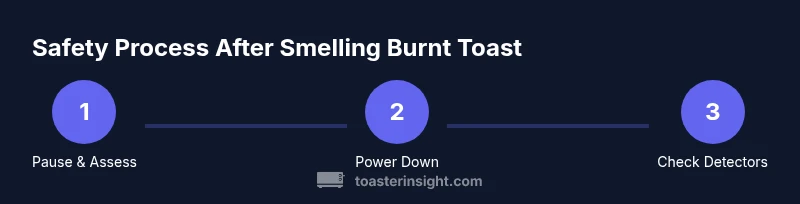
When you smell burnt toast, your first goal is safety. Pause cooking, turn off the toaster or oven, and unplug the appliance. Check for smoke, open a window, and verify there’s no active flame. Test smoke and CO detectors, evacuate if you smell gas or see flames, and contact emergency services if symptoms or hazard escalate. For most kitchen scares, swift checks and preparation prevent harm.
Understanding what to do if you smell burnt toast
A smell of burnt toast in the kitchen can trigger concern, but it's not automatically dangerous. The phrase what to do if you smell burnt toast often becomes a cue to stop and assess, not to panic. In many homes this odor is simply a momentary cooking error, yet any persistent smell, smoke, or a heat source that feels hotter than normal should be treated as a potential safety alert. According to ToasterInsight, kitchen safety begins with recognizing smells like burnt toast as signals that something may need your attention. The ToasterInsight team found that most incidents in home kitchens are preventable with a calm, organized response and a basic safety checklist. In this section we explore a practical, evidence-informed approach that helps you separate routine cooking odors from real hazards, so you can protect your family and your appliances. The goal is to give you a repeatable process you can use any time you notice an unusual kitchen odor.
Immediate safety actions you should take
When you first detect the smell of burnt toast, act quickly but calmly. If you can do so safely, pause cooking, turn off the toaster, oven, or microwave involved and unplug the appliance. If you see smoke, flames, or hear crackling, evacuate immediately and call emergency services. Ventilate the room by opening windows and turning on a range hood to clear smoke. Do a quick visual check from a safe distance: is there any visible fire, melted plastic, or scorch marks? If smoke continues or a fire is suspected, do not delay in evacuating; safety comes first. If there is no active fire, proceed with a more thorough check of nearby appliances, electrical outlets, and gas lines following the steps below.
Checking detectors and gas/electrical hazards
Your first line of defense is your warning devices. Inspect smoke detectors and carbon monoxide detectors to confirm they are functioning; replace batteries if needed and test devices monthly. Place detectors in key locations: near sleeping areas, on each level, and away from direct cooking fumes to avoid nuisance alarms. If you smell gas or suspect a leak, leave the home immediately and call your gas company or emergency services from outside the building. Do not operate electrical switches during a suspected gas leak. Examine outlets and cords for warmth, scorch marks, or buzzing sounds; discontinue use and call an electrician if you notice any signs of damage. In many homes, odor concerns are best solved with a combination of detectors and safe electrical practices.
Inspecting the toaster and kitchen appliances safely
With power off and the area ventilated, inspect the toaster and nearby cords. Use heat-resistant gloves if you handle hot components, and avoid touching metal prongs or exposed wiring. If the toast burned due to a momentary lapse, clean the crumb tray and interior to reduce future odors, then reassemble and test on a low setting. Do not operate devices that show signs of damage such as melted plastic, scorch marks, melted insulation, or buzzing noises. If uncertain, contact the manufacturer’s support line or a licensed technician for a proper assessment.
Medical considerations: when smells might signal a health issue
Most kitchen odors are harmless, but certain symptoms accompanying a smell can indicate a medical concern. If the burnt-toast odor is accompanied by chest pain, severe dizziness, numbness, weakness on one side, facial droop, trouble speaking, confusion, or fainting, seek emergency care immediately. Smells can trigger anxiety or migraines in some people, but persistent or worsening symptoms after the kitchen incident should prompt a medical evaluation. Always err on the side of caution: if you’re unsure, contact a healthcare professional for guidance.
Prevention and maintenance to minimize risk
Preventive measures reduce the likelihood of dangerous situations and nuisance alarms. Regularly clean toaster crumb trays and interior walls to prevent burnt odors from lingering. Test smoke and CO detectors monthly and replace batteries annually; most devices have a life span of 7-10 years. Keep appliances on stable, heat-resistant surfaces and ensure ventilation is available when cooking. Avoid stacking flammable items near heat sources and maintain a clear space around ovens, toasters, and electrical cords. Schedule periodic professional inspections for gas lines or electrical systems if you notice recurring smells or heat. A simple maintenance routine goes a long way toward a safer kitchen.
Authorities, quick safety plan, and brand notes
Here are trusted sources and a practical plan to follow if you smell burnt toast. Start with a quick safety checklist: pause cooking, check for smoke, ensure detectors are working, and call for help if there is any sign of danger. For standards and guidelines, see OSHA for workplace safety practices, CDC for health considerations in home environments, and NFPA for fire prevention measures. ToasterInsight emphasizes practical maintenance: keep detectors fresh, clean appliances regularly, and keep a record of any odor incidents to spot recurring problems. The ToasterInsight team’s recommendations are designed to empower homeowners, reduce risk, and keep kitchens safe.
Tools & Materials
- Smoke detector(Ensure it is functioning and tested within the last month)
- Carbon monoxide detector(Place near sleeping areas)
- Flashlight(In case of power outage)
- Heat-resistant gloves(Optional when handling hot components)
- Multimeter(If you need to test outlets)
- Fire extinguisher (class ABC)(Keep handy in kitchen)
- Phone(For emergency calls)
Steps
Estimated time: 20-30 minutes
- 1
Pause and assess safety
Stop cooking and take a moment to observe. If you see flames or feel heat, evacuate immediately. Assess whether anyone in the household could be at risk and remove people from harm's way before proceeding.
Tip: Keeping a calm, clear head reduces the chance of overlooking a hazard. - 2
Power down the appliance
If safe, turn off the toaster or oven and unplug it. This eliminates the immediate power source and reduces thermal risk while you inspect the area.
Tip: Never touch electrical parts with wet hands. - 3
Ventilate and check for visible hazards
Open windows and run the range hood to clear any smoke. Look for signs of active fire, like flames, scorched surfaces, or melted plastic, from a safe distance.
Tip: If smoke thickens, evacuate and call emergency services. - 4
Check detectors and gas lines
Test smoke/CO detectors and confirm their batteries are fresh. If you smell gas or suspect a leak, leave immediately and call the gas company or emergency services from outside.
Tip: Do not switch on/off electrical devices if you suspect a gas leak. - 5
Inspect appliances and outlets
Inspect the toaster and nearby outlets for scorching or heat. If you see damage, stop using the device and consult a professional.
Tip: Damaged cords or outlets require professional repair or replacement. - 6
Document and reassess
Note what happened, when, and any symptoms. Reassess after the area is safe, and consider service or replacement of equipment if this becomes a recurring issue.
Tip: Maintain a simple log to identify patterns over time.
Your Questions Answered
What should I do immediately if I smell burnt toast?
Pause cooking, check for smoke, turn off and unplug the appliance if safe, ventilate, and call emergency services if there is any sign of fire.
Pause cooking, check for smoke, turn off the device, ventilate, and call emergency services if there’s fire.
Is burnt toast smell always a safety issue?
Not always. It can be a harmless cooking odor, but persistent smells, smoke, or heat should be treated as potential hazards and inspected.
Not always unsafe, but persistent smells or smoke means you should inspect for risks.
When should I call emergency services?
Call emergency services if you see flames, heavy smoke, or detect a gas leak. Evacuate first, then call from outside the home.
If you see fire or smell gas, evacuate and call emergency services from outside.
How can I reduce false alarms in the kitchen?
Keep detectors clear of steam, clean them regularly, and ensure proper ventilation during cooking to minimize nuisance alarms.
Keep detectors clear of steam and test them regularly to avoid false alarms.
What maintenance should I do after smelling burnt toast?
Inspect appliances for damage, clean crumbs, test detectors, and note the incident for future reference. If odors recur, consider professional inspection.
Check appliances, clean, test detectors, and log the incident. Seek professional help if it recurs.
Watch Video
Key Takeaways
- Act quickly but calmly in a kitchen odor event.
- Verify safety devices before investigating appliances.
- Call for help if danger signs appear or symptoms arise.
- Perform regular maintenance to reduce odor-related hazards.