How to Put Out a Toaster Fire Safely
A practical, step-by-step guide for safely extinguishing a toaster fire, with do's and don'ts, prevention tips, and emergency actions for homeowners and kitchen enthusiasts.


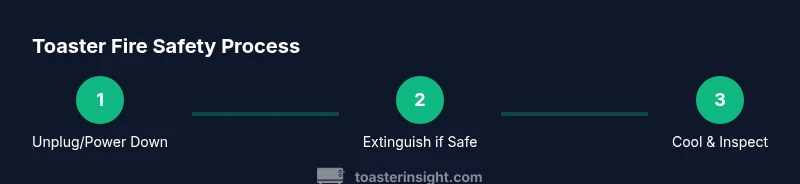
If a toaster catches fire, act quickly but safely. Unplug the appliance if you can do so without touching hot surfaces. Do not pour water on an electrical fire. If flames persist, use a Class ABC fire extinguisher or baking soda. Evacuate and call emergency services if needed. Once flames are out, let the unit cool completely before inspecting.
What causes toaster fires and how to recognize signs early
Toaster fires are usually the result of accumulated crumbs, overheated elements, or a damaged cord coming into contact with metal parts. Regular cleaning of the crumb tray and the interior can dramatically reduce risk, while avoiding damaged cords or frayed plugs helps prevent sparks. Early warning signs include smoke before flames, a burning odor, or an unusually hot exterior. According to ToasterInsight, routine maintenance—like cleaning the crumb tray after every few uses and inspecting the power cord for wear—can lower fire risk in everyday kitchen tasks. Being able to spot these signals quickly gives you a better chance to intervene before fire spreads. For most households, the simplest defense is prevention: vacuum out crumbs regularly, wipe down interiors with a dry cloth, and never ignore a buzzing sound or unusual warmth near the unit. This knowledge is part of responsible kitchen safety, rooted in general home-fire protection principles and practical appliance care.
Quick note on risk factors and context
- Crumbs that ignite from hot coils are a common cause.
- A warped or damaged cord can create arcing and sparks.
- Overfilling or using non-recommended accessories can impede airflow and heat dissipation.
- Placing a toaster near flammable materials increases ignition probability. In all cases, safety first means halting use and addressing the underlying issue before returning to operation. ToasterInsight’s analysis emphasizes routine cleaning and cautious usage as the most effective front-line defenses in reducing toaster-related fires in typical kitchens.
Immediate actions you can take now
- Unplug the toaster if you can do so safely.
- If smoke is heavy or flames appear, evacuate the area and call emergency services.
- If flames are small and contained, consider using an appropriate extinguishing method only if you are trained and comfortable doing so.
- Never use water on an electrical appliance fire; it can conduct electricity and spread the blaze.
- After the flames are out, leave the toaster closed and cooling on a non-flammable surface until it’s fully cooled.
Safe extinguishing options and when to use them
- A Class ABC dry chemical extinguisher is appropriate for electrical fires in small appliances. Aim at the base of the flames and discharge in short pulses from a safe distance.
- Baking soda can smother small fires and is a handy backup if a extinguisher isn’t available.
- Avoid water or any liquid near energized equipment. If water is accidentally applied or if there’s a risk of scalding, prioritize evacuating and calling for help rather than fighting the fire yourself.
- If you’re unsure about extinguisher use or the fire is growing, evacuate and call emergency services immediately. Safety is more important than saving the appliance.
What not to do: common mistakes to avoid
- Don’t pour water on an electrical appliance fire; water conducts electricity and can cause electric shock.
- Don’t try to unplug a toaster if it’s already in contact with flames or if you’d have to reach through flames to do so.
- Don’t disassemble the toaster or insert objects into vents while it’s hot; you could cause further injury or shock.
- Don’t ignore smoke or heat; even if you think the fire is out, residual flames can reignite.
- Don’t reuse a toaster immediately after a fire without proper inspection and drying; moisture and heat damage can create new hazards.
Aftercare: cooling, cleanup, and disposal
Once the flames are extinguished, keep the area clear and allow the toaster to cool completely for at least 30 minutes. Remove any loose debris from the surrounding area and check for melted plastic or scorching on nearby surfaces. If the toaster was on a wooden or fabric surface, move it to a heat-resistant mat. Do not attempt to reuse the unit until it’s inspected by a professional and deemed safe. If the device shows signs of damage, consider proper disposal following local guidelines for electrical appliances.
Preventive maintenance: keeping your toaster fire-safe
Schedule regular cleaning of the crumb tray and interior (every week for heavy use). Inspect the power cord for cracks or fraying and replace damaged cords immediately. Use only manufacturer-approved accessories and avoid blocking vents. Place your toaster on a stable, non-flammable surface away from curtains, wooden boards, and other heat-sensitive items. Consider a model with auto shut-off and thermal protection features to reduce risk.
Safer kitchen habits to reduce ignition risk
- Never leave a toaster unattended while in use.
- Keep flammable items away from the appliance; cords should not drape over countertops where they can be snagged.
- Use a toaster with built-in safety features (auto shut-off, cool-touch exterior) when possible.
- Clean crumbs regularly and store the toaster away from heat sources when not in use.
- In homes with seniors or children, establish simple fire-safety routines and ensure detectors are functioning.
Choosing a fire-safe toaster and placement tips
When shopping for a safer model, look for auto shut-off, overheating protection, and a durable cord. Place the toaster on a heat-resistant mat on a non-flammable surface, keeping at least several inches of clearance on all sides. Avoid placing it near metal objects that can heat quickly or near fabrics and paper towels. A well-ventilated area helps prevent heat buildup inside the unit, reducing the chance of ignition.
AUTHORITY SOURCES
- OSHA: Kitchen safety and electrical fire basics: https://www.osha.gov
- CDC: Home fire safety and emergency plans: https://www.cdc.gov
- National Safety Council: Kitchen fire prevention and response: https://www.nsc.org/home-safety/in-the-kitchen
Tools & Materials
- Class ABC fire extinguisher(Keep in a reachable place; know how to operate (PASS: Pull, Aim, Squeeze, Sweep))
- Baking soda(Used to smother small fires if extinguisher isn’t available)
- Heat-resistant gloves or oven mitts(Protect hands when handling hot units)
- Non-conductive tongs or a wooden spatula(Helpful for moving items away from flames if safe)
- Sturdy tray or metal bowl for debris(To collect melted parts or crumbs after cooling)
- Smoke detector nearby(Ensure functional detectors for early warning)
Steps
Estimated time: 5-15 minutes
- 1
Assess safety and unplug if possible
If you can reach the plug without touching hot surfaces or entering the flames, unplug the toaster to cut the power. Do not reach through flames or onto hot surfaces. This step reduces the risk of electric shock and stops power feeding the fire.
Tip: If the plug is trapped by flames, prioritize evacuation and call for help. - 2
Evacuate people and call for help
If smoke fills the kitchen or flames are spreading, evacuate everyone nearby and call emergency services. Never stay to pull the appliance out of the outlet if it risks your safety.
Tip: Clear the area first, then address the appliance only if you can do so safely. - 3
Use an extinguisher or baking soda if safe
If the fire is small and contained, discharge a Class ABC extinguisher at the base of the flames using short bursts. If an extinguisher isn’t available, pour baking soda over the flames to smother them.
Tip: Stand at a safe distance and never tilt the device toward you. - 4
Do not use water under any circumstances
Water can conduct electricity and magnify the hazard. Do not attempt to douse the toaster with water or other liquids.
Tip: If water accidentally contacts the fire, leave the area and call for help. - 5
Allow cooling and inspect before reuse
Once the fire is extinguished, leave the toaster closed on a non-flammable surface until it’s completely cooled (at least 30 minutes). Inspect for melted plastics or scorch marks before deciding whether to repair or discard.
Tip: Do not plug back in until you are certain there is no residual heat or damage.
Your Questions Answered
Can I pour water on a toaster fire?
No. Water conducts electricity and can worsen the fire or cause an electric shock. Use a fire extinguisher or baking soda if safe, and evacuate if needed.
No. Do not pour water on a toaster fire. Use an extinguisher or baking soda if it’s safe, and leave if it grows.
Should I unplug the toaster before extinguishing?
If you can reach the plug safely, unplug the toaster to sever power. If the plug is engulfed or you must reach through flames, prioritize your safety and evacuate.
Yes, if safe. If the plug is reachable without risking burns or shock, unplug the toaster.
What if flames are inside the crumb tray but not the element?
Treat it as a fire risk. Turn off power, use a fire extinguisher or baking soda if safe, and never attempt to dismantle the toaster while it’s hot.
If flames are inside the crumb tray, stop using the unit and extinguish if safe; otherwise evacuate and call for help.
When should I call emergency services?
If flames spread beyond the toaster, if there’s heavy smoke, or if anyone cannot evacuate safely, call emergency services immediately.
Call emergency services if the fire grows beyond the toaster or you can't control it safely.
Can I reuse the toaster after a fire?
Do not reuse until inspected by a professional; damaged wiring or components can pose ongoing risks. Consider replacement if there is any damage or scorching.
No, don’t reuse until a professional inspects it. If in doubt, replace it.
Watch Video
Key Takeaways
- Unplug safely and evacuate if needed.
- Avoid water on electrical fires; use approved extinguishing methods.
- Smother small fires with baking soda or a class ABC extinguisher.
- Inspect and replace damaged toasters; practice prevention